Vietnamese Enterprise Installs Solar Modules in Cuban Schools
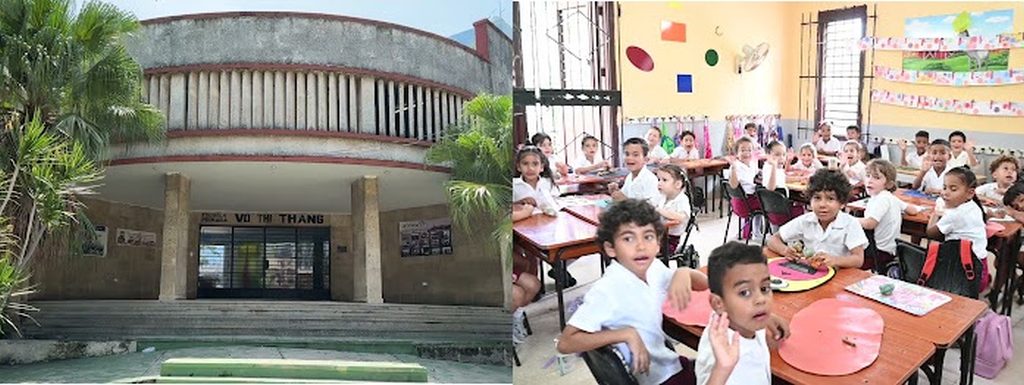
The Vietnamese company Thai Binh Green Power has officially completed the installation of advanced solar panels and battery storage modules across five primary schools in Havana as part of the ongoing “Sun Without Borders” initiative, as reported by Prensa Latina — Empresa vietnamita instala módulos solares en escuelas de Cuba. This initial rollout represents a crucial phase in a broader target to equip twenty educational facilities with reliable, decentralized renewable energy systems. Municipal coordinators and solidarity organizations have worked alongside private sector partners to secure funding and logistical support for the installations, mitigating the impact of persistent electrical grid instability on students and teachers.
The Vietnamese project forms part of a much broader expansion of solar energy cooperation with Cuba. A recent report in PV Magazine on Cuba’s renewable-energy expansion described the delivery of thousands of photovoltaic systems to Cuba for rural homes and essential services, demonstrating the country’s increasing use of distributed solar technology. Vietnam’s contribution is also more substantial than the individual school installations: reporting on Vietnam’s cooperation with Cuba indicates that the country has committed major solar infrastructure, including four solar parks with a combined capacity of 80 megawatts and energy-storage capacity. New Energy Events’ report on Vietnam’s solar-park donation to Cuba provides further details on those projects in Mayabeque province.The broader push toward photovoltaic adoption aligns with national strategic goals to transition away from imported fossil fuels and expand decentralized green power infrastructure across vulnerable public utilities.
The installation of solar modules in schools therefore represents an important social dimension of Cuba’s wider renewable-energy transition. Rather than limiting solar development to large-scale power plants, photovoltaic systems can be placed directly in institutions that provide essential services to communities. Schools are particularly important because dependable electricity supports not only classroom teaching but also digital equipment, lighting and other basic educational functions. The Vietnamese involvement adds a further dimension of South-South technological cooperation, with renewable-energy equipment and expertise being directed toward Cuba’s public infrastructure.