Amsterdam dialogue: reparations, artefact restitution and African-Caribbean solidarityGhana unveils new Cedi Heritage Series to celebrate national identity, cultural history, and economic sovereigntyAES condemns Guinea's mass expulsion of gold miners, warning of an escalating regional humanitarian crisisCuba reaffirms support for Western Sahara's independence at the UN, calling Africa's decolonization unfinishedZimbabwe prepares to submit BRICS accession documentsKyrgyz Chairman Delivers National Statement at Cop31 SummitAfDB $503.75 million loan for South Africa's energy and freight infrastructure reformsAES ministers review second-year roadmap in Ouagadougou to advance security, diplomacy, and Sahel integrationAfrica marks 20 years of the African Youth CharterAlgeria backs the African Liberation Museum initiativeZimbabwe and Mozambique strengthen bilateral trade cooperationZambia and China deepen strategic economic tiesJoint AFCON hosting bid to promote Sahel integration and sports diplomacyAfrican legal experts call for stronger reparations framework at AfSIL conference in KigaliUWI brings the global reparations campaign to Antigua
Memorial 2007 Annual Lecture 2026: “Reparations or Bust: The Struggle for Recognition and Reparative Justice
CITY / COUNTRY:  LONDON, UNITED KINGDOM.
Date: 12/08/2026. 
Memorial 2007 Annual Lecture 2026: “Reparations or Bust: The Struggle for Recognition and Reparative Justice:
“Historical recognition, reparations and the struggle for reparative justice, with a focus on slavery, colonial legacies and racial inequality”. 
The Memorial 2007 Annual Lecture 2026, titled “Reparations or Bust: The Struggle for Recognition and Reparative Justice”, features Patrick Vernon exploring the ongoing struggle for historical recognition and reparatory justice. The lecture examines the lasting impact of slavery, colonialism and racial injustice, while highlighting the importance of acknowledging historical wrongs. It also considers the role of activism, public memory and political engagement in advancing reparations. Through this discussion, the lecture seeks to encourage reflection on historical accountability, social justice and the need for meaningful action.
Historical Context: The struggle for reparations has deep historical roots in campaigns against slavery, colonialism and racial discrimination. For generations, activists, scholars and communities have called for recognition, justice and redress for the lasting consequences of these injustices. In Britain, reparations campaigns have also highlighted the country’s historical involvement in the transatlantic slave trade and colonial exploitation. These efforts have strengthened public discussions about historical memory, institutional responsibility and racial inequality. Against this background, the Memorial 2007 Annual Lecture 2026 provides an opportunity to examine the continuing demand for reparative justice and the importance of turning recognition into meaningful action.
Organiser:
  • Institute of Commonwealth Studies.
Event Source: SASAuthor: text
Upcoming events
16
November
CITY / COUNTRY:  LAGOS, NIGERIA.
Date: 11/16-17/2026. 
Pan-African SME Conference 2026. 
“Beyond Ecosystems: Building Platforms That Help African Businesses Thrive”.
The Pan-African SME Conference 2026 brings together entrepreneurs, SME owners, investors, policymakers, financial institutions and development partners to examine how African businesses can overcome barriers to growth and expand across borders. The conference focuses on access to finance, digitalisation, markets, infrastructure, skills, policy and regional business opportunities.
Historical Context: The conference is part of efforts to strengthen Africa's small and medium-sized enterprise sector, which is central to employment creation, entrepreneurship and economic transformation. Its 2026 programme focuses on moving beyond fragmented SME-support ecosystems toward integrated platforms that enable African businesses to scale, compete and participate more effectively in continental and global markets.
Organiser:
  • Enterprise Development Centre (EDC);
  • Pan-Atlantic University.
16
November
CITY / COUNTRY:  ADDIS ABABA, ETHIOPIA.
Date: 11/16-20/2026. 
African Youth Charter @20 / Pan-African Youth Forum 2026. 
Celebrating Two Decades of Advancing Youth Rights, Participation and Development in Africa.
African Youth Charter @20 marks the 20th anniversary of the African Youth Charter, the AU's principal legally binding framework for promoting and protecting the rights, participation and development of young people aged 15–35. The 2026 anniversary provides an opportunity to assess progress, identify implementation gaps and strengthen youth participation and leadership across Africa. The official commemoration is scheduled to take place during the Pan-African Youth Forum in November 2026.
Historical Context: The African Youth Charter was adopted on 2 July 2006 in Banjul, The Gambia, and entered into force on 8 August 2009. Over two decades it has served as a key AU framework for youth participation, education, employment, health, peace and security and socioeconomic development. In 2026, the AU is using the 20th anniversary to review its impact and reaffirm commitments to youth empowerment and participation.
Organiser:
  • African Union Commission – Women, Gender and Youth Directorate / Youth Division.
20
November
CITY / COUNTRY:  HARARE, ZIMBABWE.
Date: 11/20-22/2026. 
CIMAM Annual Conference Harare 2026-Museum Restitution & Heritage Repair. 
"Museum Restitution, Cultural Heritage Recovery and Rebuilding Historical Narratives".
The CIMAM Annual Conference Harare 2026 explores the role of museums in addressing historical injustices through restitution, heritage preservation and cultural repair. The conference brings together museum professionals, researchers, curators and cultural leaders to discuss the return of cultural objects to their communities of origin. It also examines how museums can promote inclusive historical narratives, strengthen cultural identity and support international cooperation in heritage protection.
Historical Context: The restitution of cultural objects has become an important global discussion, particularly concerning artefacts removed from African communities during colonial rule. Many objects remain in museums and private collections outside their countries of origin. These collections raise questions about ownership, historical justice and cultural identity. Across Africa, museums and cultural institutions continue to advocate for the return of heritage objects and the recognition of communities' historical rights. The conference places these debates within broader efforts to repair historical harm and strengthen cultural heritage protection.
Organiser:
  • International Committee for Museums and Collections of Modern Art (CIMAM);
  • National Gallery of Zimbabwe.
20
November
CITY / COUNTRY:  ACCRA, GHANA.
Date: 11/20-22/22026. 
Young African Leaders Summit 2026. 
Youth leadership, governance and African development.
Three-day gathering of emerging African leaders with keynotes, plenaries, Model African Union, Young Talks and awards.
Historical Context: Emerges from the broader growth of African youth leadership and civic participation initiatives.
Organiser:
  • Young African Leaders Summit organisers.
20
November
CITY / COUNTRY: ADDIS ABABA, ETHIOPIA.
Date: 11/20/2026.  The annual observance of Africa Industrialisation Day highlights the continent's commitment to advancing sustainable industrial development as a driver of economic growth and transformation. The event promotes economic diversification, value addition to Africa's natural resources, expanded manufacturing capacity and stronger regional and international partnerships to support industrial development. It also provides a platform for governments, businesses, development partners and other stakeholders to discuss policies and investments that can accelerate job creation, enhance competitiveness and strengthen Africa's position in global value chains while advancing the goals of the African Union's Agenda 2063. Theme Of Event: Sustainable Industrialisation; Economic Transformation; Manufacturing Growth; African Industrial Development The event raises awareness of the importance of industrialisation in creating jobs, reducing dependency on raw commodity exports, strengthening intra-African trade, and advancing Agenda 2063 and the African Continental Free Trade Area (AfCFTA).
Historical Context: Established by the United Nations General Assembly in 1989 through Resolution 44/237. The day was created to draw global attention to Africa’s industrialisation challenges and encourage international cooperation. AU Commissioner for Economic Development, Trade, Tourism, Industry and Minerals; UNIDO Director-General; UNECA officials; AfCFTA Secretariat representatives; industrial policy experts; African manufacturers; private sector leaders
Organisers: United Nations Industrial Development Organization (UNIDO); United Nations Office of the Special Adviser on Africa (OSAA); African Union Commission
25
November
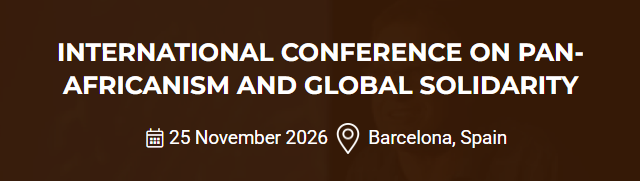
CITY / COUNTRY:  BARCELONA, SPAIN.
Date: 11/25/2026. 
International Conference on Pan-Africanism and Global Solidarity (ICPAGS). 
Advancing Pan-African Unity and Global Solidarity Through African Identity, Decolonisation and International Cooperation.
The International Conference on Pan-Africanism and Global Solidarity (ICPAGS) is scheduled for 25 November 2026 in Barcelona, Spain. Organised by the Thailand Society for Research and Development (TSRD), the conference will bring together researchers, academics, professionals and international participants to discuss African unity, Pan-Africanism, decolonisation, cultural identity and global solidarity. Key discussion areas include the historical roots of Pan-Africanism, the role of the African diaspora, economic cooperation among African countries and international relations. The conference listing also indicates a hybrid format, allowing both in-person and virtual participation.
Historical Context: Pan-Africanism emerged in the late nineteenth and early twentieth centuries as a movement advocating unity, freedom and equality for people of African descent worldwide. Influential figures such as W.E.B. Du Bois, Marcus Garvey, George Padmore and Kwame Nkrumah helped advance the movement's vision of African liberation, self-determination and solidarity against colonialism and racial discrimination. Pan-African ideals contributed to Africa's independence movements and the establishment of the Organisation of African Unity (OAU) in 1963, which became the African Union (AU) in 2002. Today, the movement continues to shape conversations about African integration, diaspora relations, reparatory justice and global cooperation.
Organisser:
  • TSRD.
30
November
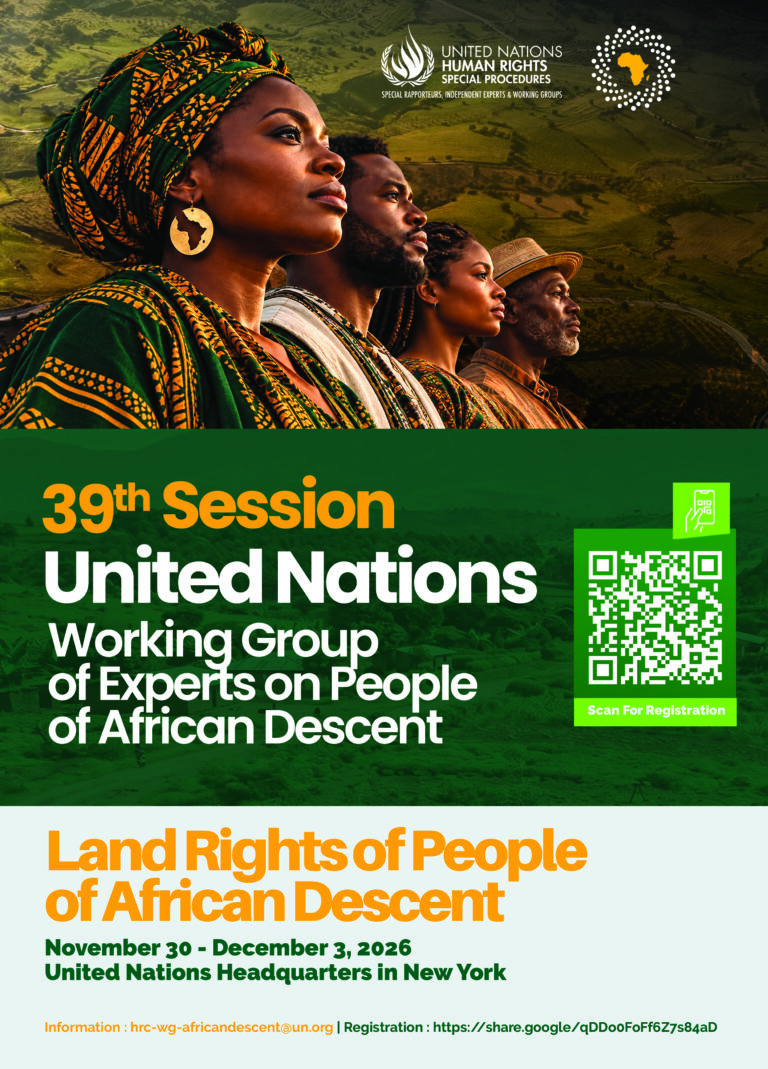
CITY / COUNTRY:  NEW YORK, UNITED STATES OF AMERICA.
Date: 11/30-03/12/2026
39th Session of the United Nations Working Group of Experts on People of African Descent (Focusing on Land Rights and Reparatory Justice): Land Rights, Historical Justice and Reparations for People of African Descent.
The 39th Session of the United Nations Working Group of Experts on People of African Descent will examine land rights, historical injustices and reparatory justice. Taking place at the United Nations Headquarters in New York, the session will bring together experts, government representatives and civil society organisations to discuss the effects of slavery, colonialism and land dispossession. It will also explore ways to protect land rights, address historical inequalities and promote justice for people of African descent.
Historical Context: The history of people of African descent is closely linked to slavery, colonialism, forced displacement and the loss of ancestral land. These events disrupted communities and weakened traditional systems of land ownership. Their effects continue to influence land access, wealth distribution and economic opportunities in many societies. Reparatory justice seeks to address these historical harms through recognition, accountability and appropriate measures for redress. The session will examine how governments and institutions can protect land rights, recognise historical claims and support affected communities.
Organisers:
  • Office of the High Commissioner for Human Rights;
  • Working Group of Experts on People of African Descent.
01
December
CITY / COUNTRY:  AMSTERDAM, NETHERLANDS.
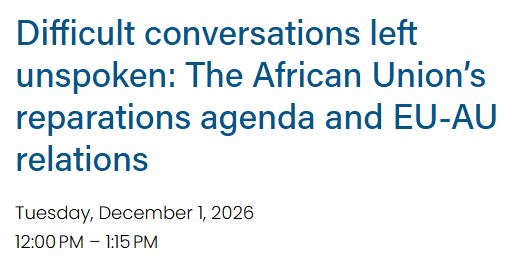
Date: 12/01/2026. 
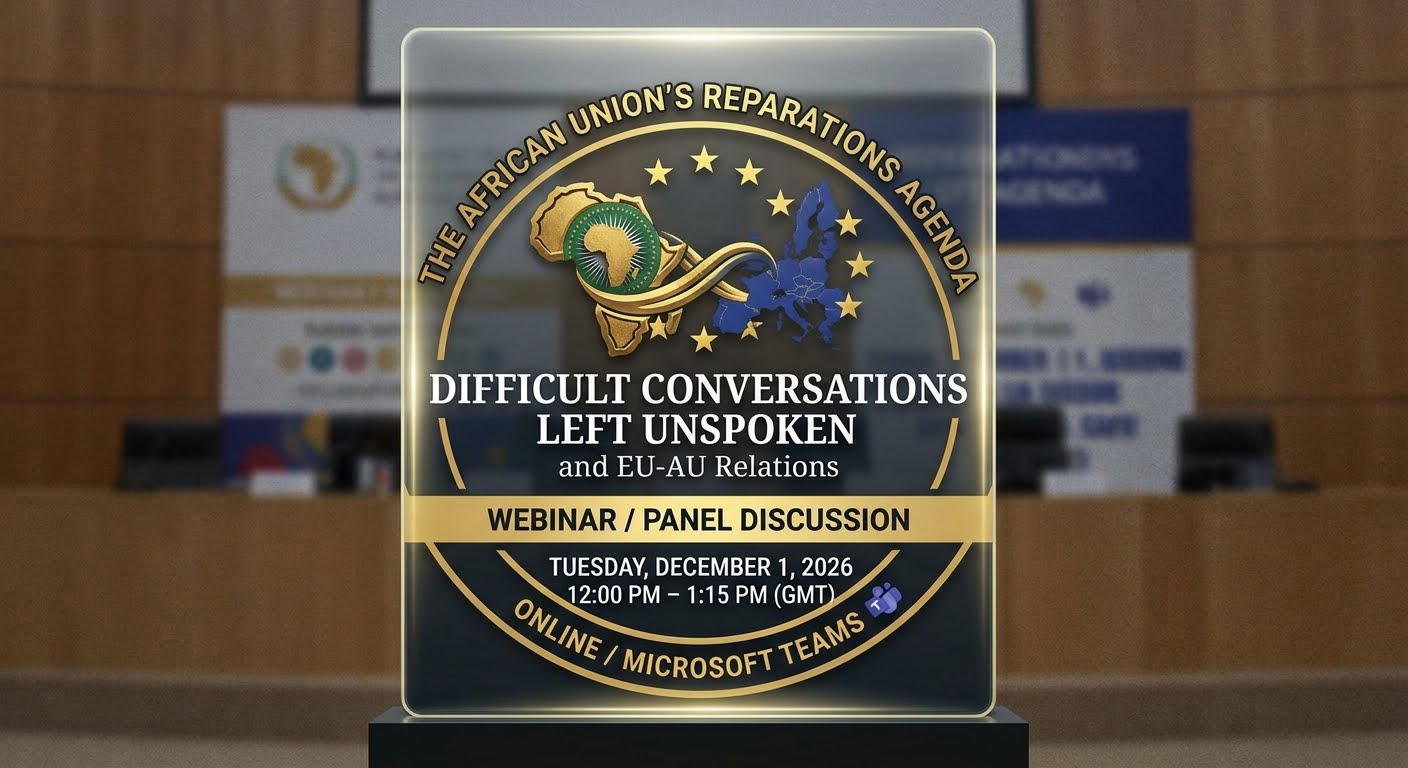
Difficult conversations left unspoken: The African Union’s reparations agenda and EU-AU relations.
" Reparatory justice, historical accountability and Africa-Europe diplomatic relations".
This event explores the African Union’s (AU) reparations agenda and its impact on relations between Africa and the European Union (EU). It examines historical injustices linked to slavery, colonialism and racial discrimination. In addition, the discussion considers why reparations remain a sensitive issue in diplomatic relations. It highlights the challenges of securing historical accountability, promoting justice and building stronger partnerships between Africa and Europe.
Historical Context: The African Union’s reparations agenda builds on decades of calls for justice and historical accountability. These calls address the lasting effects of slavery, colonialism, apartheid and racial discrimination. In 2023, the Accra Proclamation strengthened efforts to develop a common African position on reparations. Furthermore, the AU declared 2025 the Year of Justice for Africans and People of African Descent Through Reparations. Against this background, the event examines the tensions surrounding reparations in EU-AU relations. It explores Europe's response to African demands for justice and recognition, while highlighting the need for open dialogue, accountability and meaningful cooperation.
Organisers:
  • REPAIR Project, based at the Department of Anthropology, University of Amsterdam;
  •  Amsterdam Centre for Conflict Studies (ACCS).
Event Source: reparations research
01
December
Photo Source: AI Generated
CITY / COUNTRY:  ONLINE / MICROSOFT TEAMS.
Date: 12/01/2026. 
REPAIR Lecture — African Union Reparations Agenda and EU–AU Relations: Historical Justice, Accountability, and Restorative Partnerships.
The REPAIR Lecture explores the African Union’s reparations agenda and its implications for relations between the European Union (EU) and the African Union (AU). It examines pathways toward addressing historical injustices, including slavery, colonialism, and their enduring social, economic, and political consequences. The lecture also considers how reparations, restitution, formal apologies, and institutional reforms can contribute to justice, reconciliation, and a more equitable EU–AU partnership.
Historical Context:

The reparations debate is rooted in the historical legacies of the transatlantic slave trade, colonial rule, and the exploitation of African peoples and resources, which contributed to enduring inequalities between Africa and Europe. Since independence, African states and continental institutions have increasingly called for recognition of these injustices and meaningful measures to address their consequences. The African Union has strengthened this agenda through its emphasis on reparatory justice, historical redress, and the recovery of African cultural heritage, including its designation of 2025 as the Year of Reparations. Within EU–AU relations, the agenda raises important questions about historical responsibility, restitution, development, and the need to build a partnership grounded in mutual respect, accountability, and shared commitments to justice.

Organiser:
  • Repair Project.
04
December
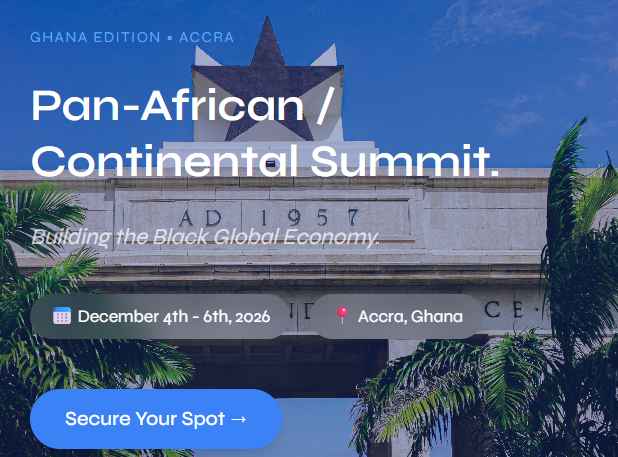
CITY / COUNTRY:  ACCRA, GHANA.
Date: 12/04-06/2026. 
Cleva Summit Ghana 2026 / Pan-African Continental Summit. 
“Building the Black Global Economy”.
The Cleva Summit Ghana 2026, a Pan-African Continental Summit taking place in Accra, will bring together African entrepreneurs, investors, policymakers and members of the diaspora. The summit will focus on investment, trade, technology, AI and entrepreneurship, with the goal of strengthening economic connections across Africa.
Medium–high for Pan-Africanism. Particularly relevant to African/Diaspora economic integration rather than historical reparations.
Historical Context: The Cleva Summit Ghana 2026 builds on Ghana’s longstanding role as a centre of Pan-Africanism and African diaspora engagement. Ghana became independent in 1957 under Kwame Nkrumah, who promoted African unity and closer political and economic cooperation across the continent. Today, initiatives such as the summit continue this tradition by seeking stronger links among African economies and the global African diaspora.
Organiser:
  • Cleva global.
08
December
CITY / COUNTRY:  LONDON, UNITED KINGDOM.
Date: 12/08/2026. 
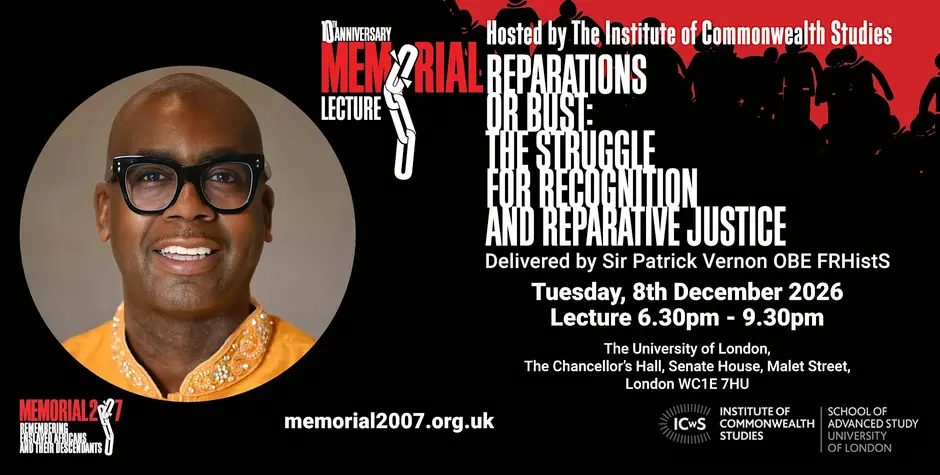
Memorial 2007 Annual Lecture 2026: "Reparations or Bust: The Struggle for Recognition and Reparative Justice:
"Historical recognition, reparations and the struggle for reparative justice, with a focus on slavery, colonial legacies and racial inequality". 
The Memorial 2007 Annual Lecture 2026, titled "Reparations or Bust: The Struggle for Recognition and Reparative Justice", features Patrick Vernon exploring the ongoing struggle for historical recognition and reparatory justice. The lecture examines the lasting impact of slavery, colonialism and racial injustice, while highlighting the importance of acknowledging historical wrongs. It also considers the role of activism, public memory and political engagement in advancing reparations. Through this discussion, the lecture seeks to encourage reflection on historical accountability, social justice and the need for meaningful action.
Historical Context: The struggle for reparations has deep historical roots in campaigns against slavery, colonialism and racial discrimination. For generations, activists, scholars and communities have called for recognition, justice and redress for the lasting consequences of these injustices. In Britain, reparations campaigns have also highlighted the country's historical involvement in the transatlantic slave trade and colonial exploitation. These efforts have strengthened public discussions about historical memory, institutional responsibility and racial inequality. Against this background, the Memorial 2007 Annual Lecture 2026 provides an opportunity to examine the continuing demand for reparative justice and the importance of turning recognition into meaningful action.
Organiser:
  • Institute of Commonwealth Studies.
Event Source: SASAuthor: text
10
December
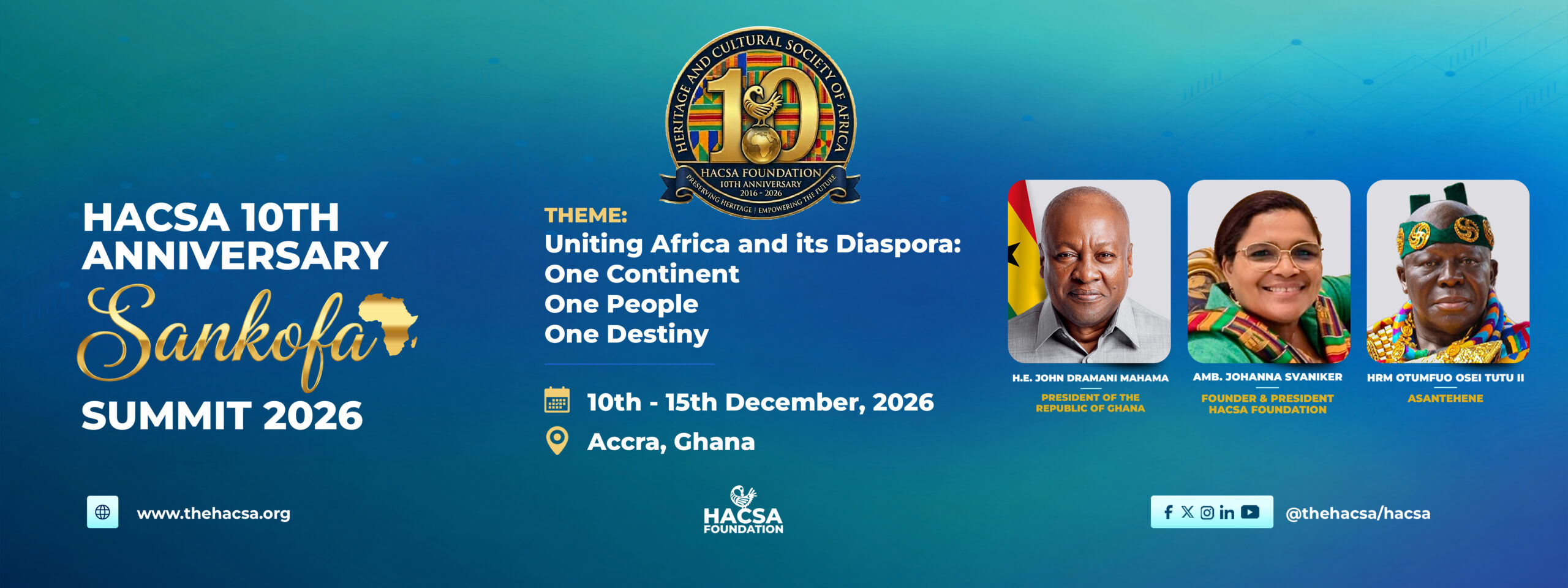
CITY / COUNTRY:  ACCRA, GHANA.
Date: 12/10-15/2026. 
HACSA Sankofa Summit 2026. 
This flagship gathering brings together Africa experts and enthusiasts, political and thought leaders, industry leaders and enterprenuers, academics, creatives and changemakers, and members of the global diaspora for days of discussion, culture and connection, building the partnerships that carry the continent forward.
The Summit seeks to reconnect communities to inspire healing, and spotlight innovative pathways for collaboration, investment, women's empowerment, youth development, and shared prosperity. The programme includes a thought-leadership conference, panels, exhibitions, heritage tours, film screenings and a charity gala.
Historical Context: The Sankofa concept emphasizes returning to the past to retrieve knowledge and heritage useful for the future. HACSA's work focuses on strengthening relationships between Africa and its global diaspora.
Organiser:
  • HACSA Foundation. 
11
December
CITY / COUNTRY:  BERLIN, GERMANY.
Date: 12/11-22/2026. 
Worlds in Repair. 
Reparations, historical justice, social healing and rebuilding equitable futures by addressing the enduring legacies of slavery, colonialism and racial injustice.
Worlds in Repair explores the importance of reparations, historical recognition and restorative justice in addressing the lasting effects of slavery, colonialism and racial injustice. The initiative brings attention to historical inequalities and their impact on contemporary societies. It examines how communities, institutions and policymakers can confront past injustices through dialogue, accountability and meaningful action. Furthermore, it highlights the importance of rebuilding relationships, restoring dignity and creating more equitable futures. Through discussions on justice and historical responsibility, Worlds in Repair encourages new approaches to social healing and global cooperation.
Historical Context: The idea of repairing historical injustices is rooted in longstanding struggles against slavery, colonialism, racism and economic exploitation. Across Africa, Europe and the wider diaspora, communities have called for recognition, restitution and justice for the lasting consequences of these systems. Over time, these demands have developed into broader discussions about reparations, historical memory and institutional responsibility. The growing international focus on reparatory justice has also encouraged renewed conversations about how societies can address historical wrongs. Against this background, Worlds in Repair reflects the need to confront difficult histories, promote accountability and build a more just and inclusive future.
Organiser:
  • Black Land.
13
December
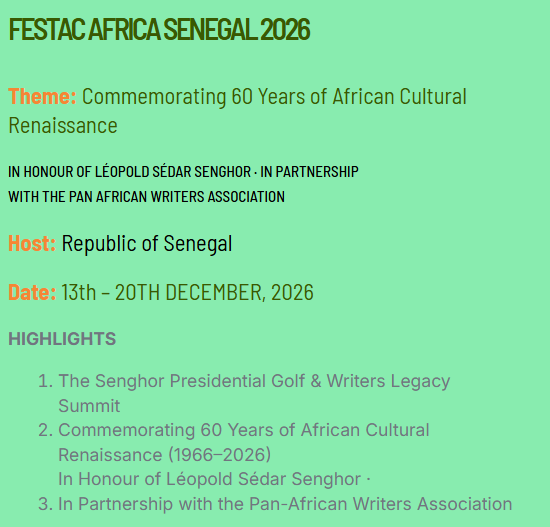
CITY / COUNTRY:  DAKAR, SENEGAL.
Date: 12/13-20/2026. 
FESTAC AFRICA Senegal 2026. 
“Commemorating 60 Years of African Cultural Renaissance”.
The event is envisioned as a major Pan-African cultural gathering bringing together artists, musicians, writers, cultural leaders and communities from across Africa and the diaspora. The event will celebrate African heritage and contemporary creativity while creating space for cultural exchange, collaboration and renewed connections among African peoples.
The event is planned as a major cultural gathering highlighting music, arts, literature and African creativity.
Historical Context: FESTAC traces its roots to the First World Festival of Black Arts in Dakar in 1966, organised under Senegalese president and poet Léopold Sédar Senghor. The festival helped establish Dakar as an important centre of African cultural and intellectual exchange, a tradition that FESTAC AFRICA seeks to continue.
Organisers:
  • FESTAC Africa;
  • Republic of Senegal;
  • Pan African Writers Association.
14
December
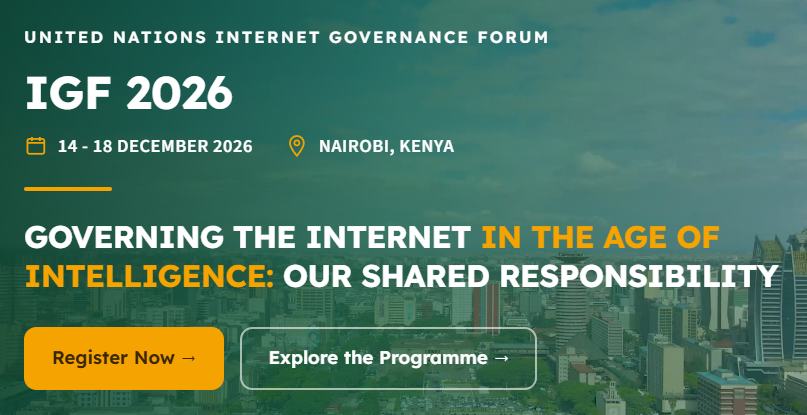
CITY / COUNTRY:  NAIROBI, KENYA.
Date: 12/14-18/2026. 
UN Internet Governance Forum (IGF) 2026. 
Governing the Internet in the Age of Intelligence: Our Shared Responsibility. 
The UN Internet Governance Forum (IGF) 2026 will bring together governments, technology companies, civil society groups, researchers and internet experts. Discussions will focus on artificial intelligence, online safety, digital rights, internet access and international cooperation. Participants will share ideas on how to make the internet safer, more inclusive and accessible to everyone.
Historical Context: The Internet Governance Forum was established following the 2005 World Summit on the Information Society. Its first annual meeting took place in Athens, Greece, in 2006. Since then, the forum has provided a global platform for discussing internet policies and digital challenges. In December 2025, the United Nations General Assembly established the IGF as a permanent UN forum. The 2026 meeting will build on this progress by addressing the growing influence of artificial intelligence and the need for fair and responsible digital governance.
Organisers:
  • UN IGF Secretariat;
  • Government of Kenya.