Cuba Backs Western Sahara’s Independence as Africa’s Decolonisation Struggle Continues
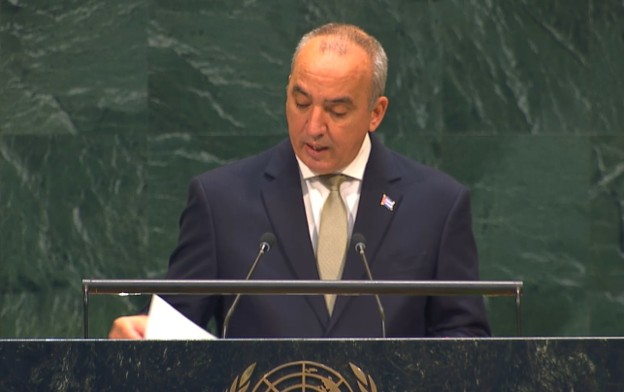
Cuba has renewed its support for the Sahrawi people’s right to self-determination, rejecting attempts to impose an autonomy plan on Western Sahara. Speaking at the United Nations General Assembly, Havana insisted that the people of Western Sahara must decide their own political future. Cuba also opposed the exploitation of the territory’s natural resources without the consent of its people. The country stressed that these resources should benefit the Sahrawi population and support their development. Furthermore, it reaffirmed its support for negotiations under the United Nations, with no conditions imposed on the Sahrawi people. Cuba’s position sends a clear message: no outside power should decide the future of a people still fighting for independence. Read Cuba’s statement.
Cuba’s position comes amid renewed debate over Western Sahara at the United Nations. On 30 October 2026, Russia vetoed a United States-sponsored draft resolution at the Security Council. The disagreement raised concerns about the future of the UN Mission for the Referendum in Western Sahara (MINURSO). During the following General Assembly debate, South Africa defended Russia’s veto. It warned against decisions that could weaken the Sahrawi people’s right to choose their future. Zimbabwe also reaffirmed its support for Sahrawi self-determination. These positions reflect a wider African commitment to completing the continent’s decolonisation process. They also raise an important question about international justice: why should the right to independence remain unresolved for the people of Western Sahara? Read South Africa’s position and Zimbabwe’s statement.
Beyond the political debate, Western Sahara’s natural resources remain a major concern. Its fisheries, minerals and other resources raise serious questions about who controls the territory’s wealth and who benefits from it. The Sahrawi people should have a say in decisions affecting their land and resources. Mexico has also called for continued United Nations involvement in Western Sahara. It warned against treating the end of MINURSO as an end to the international responsibility towards the Sahrawi people. Read Mexico’s position. For Africa, this struggle goes beyond a territorial dispute. It concerns the right of a people to control their land, resources and future. Cuba’s renewed solidarity therefore deserves attention from African governments and progressive movements. Political independence means little without economic freedom and control over national resources. Africa’s decolonisation remains unfinished while the Sahrawi people’s right to determine their future remains unresolved.
PHOTO SOURCE:SAHARA PRESS SERVICE
Author: Randy Lawson.