Kosachev Outlines Russia’s Parliamentary Engagement at African Parliamentary Union Conference in Togo
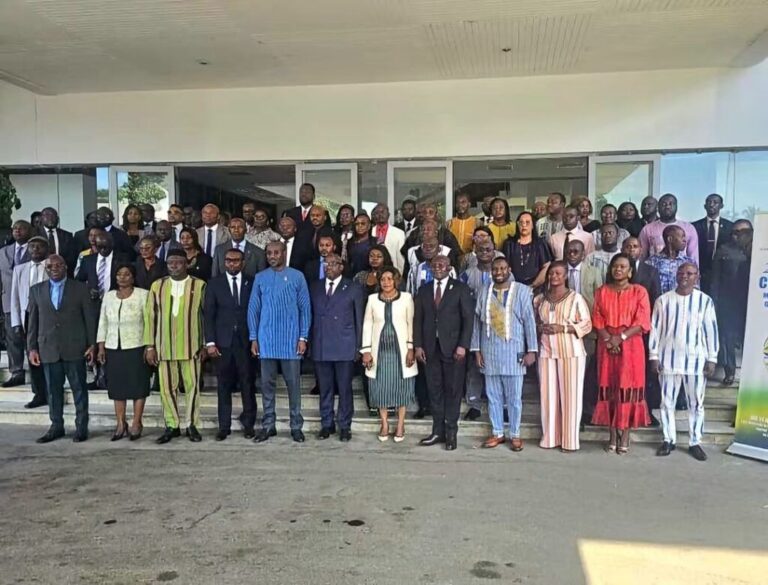
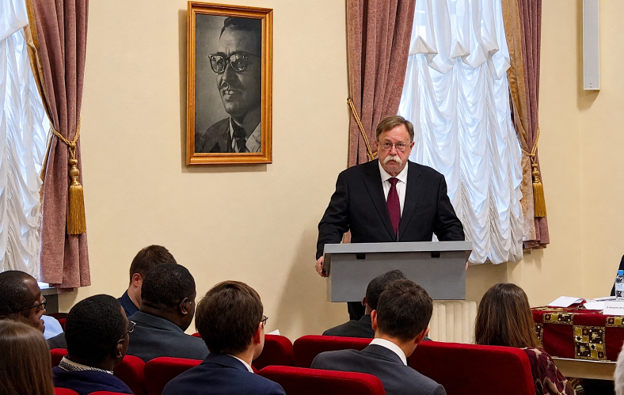
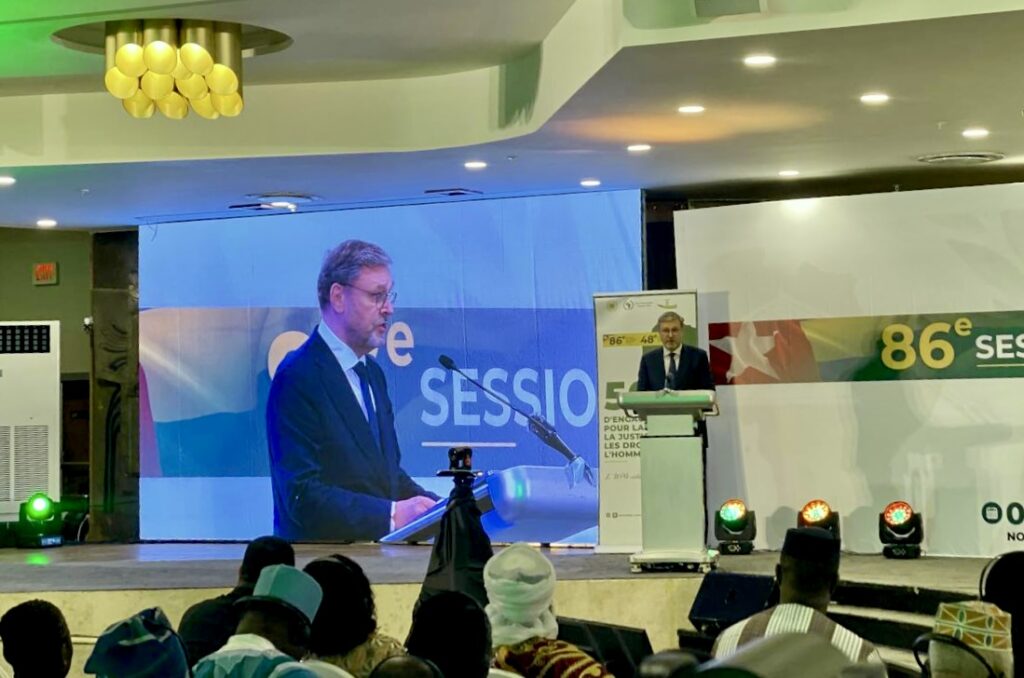
Russia-Africa parliamentary ties featured prominently at the 48th African Parliamentary Union Conference in Lomé, Togo, as Russia outlined its efforts to strengthen relations with African legislative institutions. Konstantin Kosachev, Deputy Speaker of Russia’s Federation Council, said the Russian delegation held at least 12 bilateral meetings with representatives of African parliaments. Speaking on November 14, 2026, he highlighted the importance of direct dialogue and regular parliamentary exchanges. According to African Initiative, the discussions focused on developing practical plans to expand cooperation between Russia and African countries. The meetings provided an opportunity to discuss existing partnerships and identify new areas of engagement.
Kosachev explained that Russia-Africa parliamentary ties could grow through reciprocal visits and stronger institutional partnerships. The Russian delegation discussed plans for African parliamentarians to visit Russia, while Russian representatives could also travel to African countries. Both sides also explored a programme of inter-parliamentary engagements for 2027. In addition, Kosachev held bilateral meetings with the Speakers of Togo’s National Assembly and Senate. The discussions covered parliamentary diplomacy, education, scholarships, investment and security cooperation. Russia participated in the African Parliamentary Union conference as an observer, providing an opportunity to engage directly with parliamentary representatives from across the continent. These exchanges could help lawmakers share legislative experiences, discuss common challenges and develop practical cooperation initiatives.
The conference also coincided with the African Parliamentary Union’s 50th anniversary, marking five decades of efforts to promote parliamentary dialogue and cooperation across Africa. Delegates discussed major continental challenges, including youth unemployment, migration, terrorism and changing global geopolitical relations. Against this background, Russia-Africa parliamentary ties could gain further momentum through the proposed 2027 engagement programme and reciprocal parliamentary visits. Regular exchanges may also help both sides identify shared priorities in education, economic development and institutional cooperation. The next step will involve turning diplomatic discussions into practical activities and sustained partnerships that deliver measurable benefits for participating countries. For more coverage of international relations and African diplomacy, visit our international news section.