Niger–Algeria Trans-Saharan Fibre-Optic Backbone Begins Operation
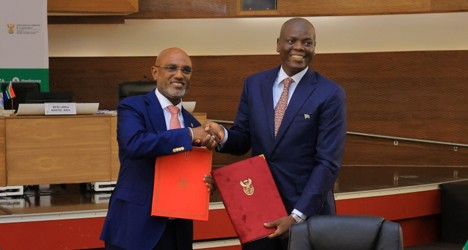
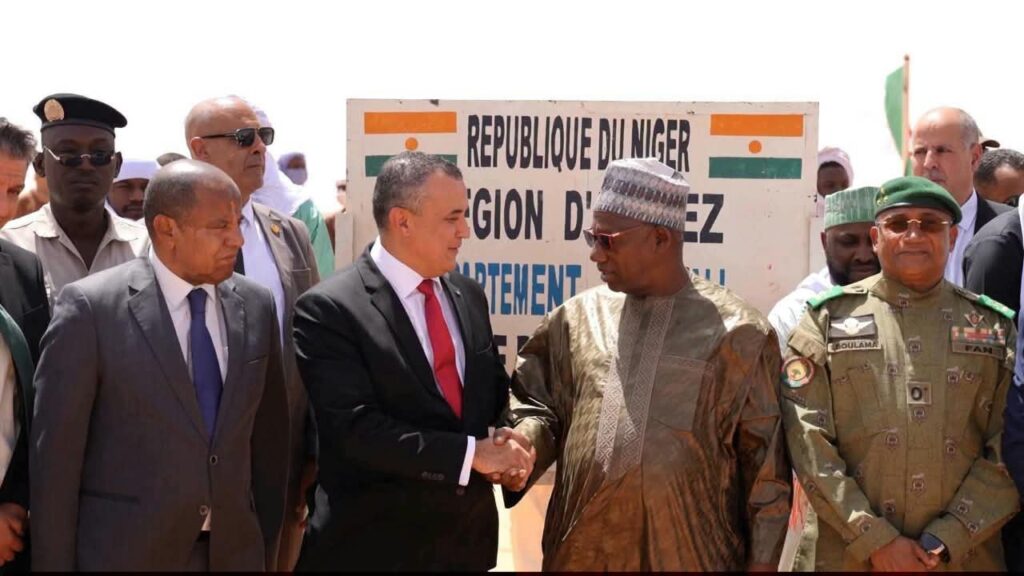
The Niger–Algeria Trans-Saharan fibre-optic backbone has officially begun operation, marking a significant step in strengthening digital connectivity and regional integration between the two countries. The launch took place on 6 October 2026 at Assamaka, on the Niger–Algeria border, where Nigerien Communications and Information Technology Minister Hamani Kargné and Algerian Post and Telecommunications Minister Sid-Ali Zerrouki presided over the ceremony. The Nigerien Ministry of Communication and New Information Technologies described the project as an important infrastructure for digital sovereignty, economic development and regional integration.
The backbone will strengthen telecommunications links between Niger and Algeria while expanding the infrastructure needed for the growth of information and communication technologies. According to the Nigerien Press Agency (ANP), the project forms part of broader bilateral cooperation in telecommunications and digital infrastructure. Beyond improving internet access, the connection creates a direct digital link between two African countries and provides infrastructure that can support e-government, education, commerce and other areas of economic and social life. It also reflects a growing recognition that control over digital infrastructure is increasingly part of a country’s ability to determine its own development priorities.
The project builds on earlier stages of cooperation, including the reception of fibre-optic sections in Niger to improve internet quality and secure international connectivity, as documented by the Nigerien Ministry’s 2025 update. Its operation now gives greater substance to the idea of digital sovereignty through infrastructure built to connect African countries directly. For Niger and Algeria, the backbone strengthens bilateral ties; more broadly, it points to the importance of African countries developing and controlling the networks through which information, services and economic activity increasingly move. In the Sahel and across the continent, stronger intra-African digital links can become part of the wider effort to build more integrated and self-reliant economies.