Africa Must Build Its Technological Capacity to Secure Its Digital Future
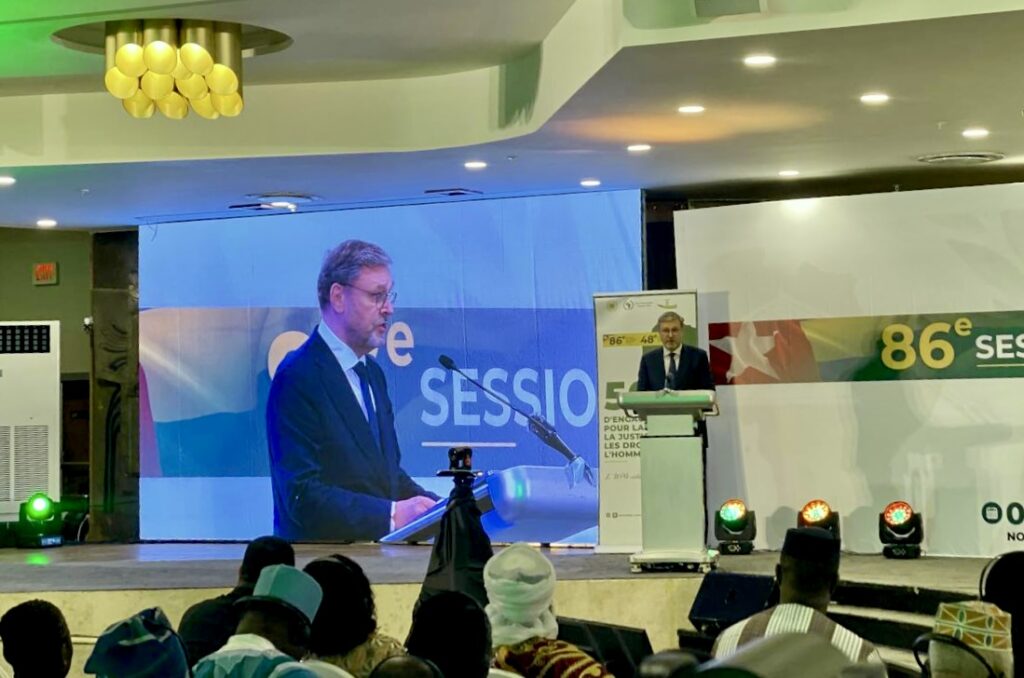
Africa’s growing dependence on foreign-owned digital infrastructure, technologies and platforms raises urgent questions. They concern the continent’s technological sovereignty and its ability to shape its own digital future. Technology is increasingly central to economic production, trade, communication and public services. Participants at the Russia–Africa Forum highlighted the need for African countries to build domestic technological capacity and strengthen international cooperation. They said partnerships must contribute to local expertise, innovation and productive development. They must not deepen existing patterns of dependence. Participants discussed technological cooperation, domestic capacity-building and digital sovereignty. Bocar A. Ba, Chief Executive Officer and Board Member of the SAMENA Telecommunications Council, argued that countries cannot achieve technological independence in isolation.
He emphasised the importance of international partnerships. He also stressed that countries must understand their priorities and develop their own technological solutions. Similarly, Mouhamed Doucoure of Maison Africaine des Materialix de Construction argued that African countries must have access to quality technology through international cooperation.
Their perspectives raise a broader question for Africa. How can international technological partnerships build domestic expertise and productive capacity rather than deepen existing patterns of dependence? Investing in young people and expanding opportunities for technological development also emerged from the interviews. Doucoure stressed that youth engagement must be central to lasting relations between Africa and Russia.
The Nigerian delegation highlighted opportunities in fintech, technology startups, innovation and other emerging sectors. It pointed to the potential of Nigeria’s youthful population and entrepreneurial activity. These perspectives underline the need to create conditions in which young Africans can take part in research, technological innovation, entrepreneurship and the development of industries that respond to the continent’s needs.
Participation must go beyond training young people to operate technologies built elsewhere. It must include opportunities to design, produce, own and commercialise technological solutions. This requires sustained investment in education, research institutions, public infrastructure and local enterprises. It also requires economic policies that enable African innovators and businesses to compete and grow.Achieving technological sovereignty will require more than isolated partnerships or individual national initiatives. African countries must strengthen cooperation, develop shared technological capabilities and build regional industries that can serve the wider continent. Partnerships with Russia and other countries can contribute to this process. They must support meaningful technology transfer, knowledge development and greater African participation in owning and producing technological systems. As Ba cautioned,
His words highlight the interconnected nature of technological development and the importance of addressing unequal capacities.
For Africa, the task is to equip its young population not merely to consume digital products but to shape the technologies that influence its economic and social future. The continent must also confront the concentration of technological ownership and the unequal distribution of benefits in the global digital economy. Its technological transformation must therefore form part of a wider programme of economic self-determination, productive development and continental cooperation.
Author: Amanda Lucas