Seychelles Challenges Commonwealth to Recognise Indian Ocean Slavery and Support Ocean Sovereignty
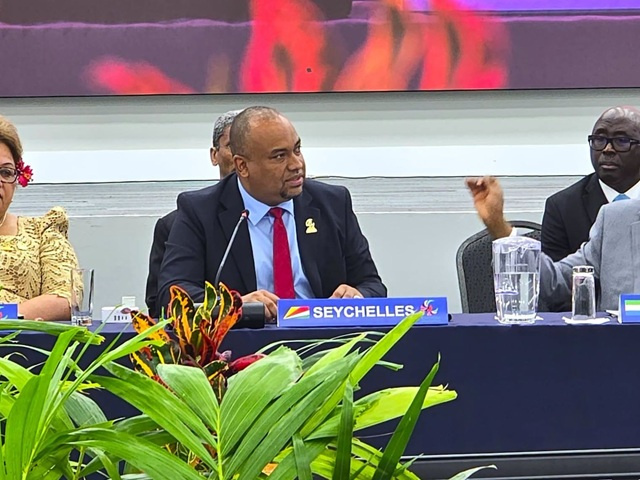
Seychelles has called on the Commonwealth to recognise the history of slavery in the Indian Ocean region. At the 2026 Commonwealth Heads of Government Meeting (CHOGM), Principal Minister Wallace Cosgrow raised this concern. He argued that the experiences of Indian Ocean societies must form part of discussions on reparatory justice. This demand matters because slavery was not limited to the Atlantic. Enslaved Africans were also taken to islands across the Indian Ocean, including Seychelles. These societies still live with the effects of slavery and colonial rule. According to the Seychelles News Agency, Cosgrow wanted these experiences reflected in the summit’s final statement. However, the final communiqué did not specifically mention the Indian Ocean in its section on reparatory justice. Instead, it called for meaningful discussions on the issue. This leaves an important question: can the Commonwealth address historical injustice while excluding some affected communities from the discussion? Reparatory justice must recognise the full history of slavery across Africa, the Caribbean and the Indian Ocean.
Seychelles also called for greater investment in its blue economy. This issue matters to African countries that depend on fishing, tourism and other marine resources. During the summit, Cosgrow presented two financing initiatives from Seychelles. These include a $21.6 million debt-for-nature swap and a $15 million sovereign blue bond. The country has also placed around 30 per cent of its marine territory under protection. These efforts show how island states can raise funds to protect their oceans. NatureNews Africa reported on Seychelles’ call for stronger financial and technical support. However, investment must do more than protect natural resources. It must also create jobs, support local businesses and strengthen African industries. Too often, foreign companies gain more from Africa’s natural wealth than the people who own it. Therefore, blue economy projects must give African countries greater control over their resources, technology and profits. Economic growth should improve local lives, not deepen dependence on foreign investors.
Seychelles has brought historical justice and economic independence into the same debate. These two struggles are closely connected because both concern who controls Africa’s future. African countries must continue to demand reparations for slavery and colonial rule. That demand must include every region affected by these systems, including the Indian Ocean. At the same time, African states need fair access to finance, technology and investment. The Commonwealth’s final communiqué recognises the need for investment in climate resilience, fisheries and coastal protection. However, these commitments must lead to practical support for developing countries. The Seychelles delegation statement published by Africa.com also highlights the country’s position at the summit. African countries should build stronger links across the continent and the wider Indian Ocean region. Our history, seas and economic future connect us. True sovereignty requires both justice for past exploitation and control over present resources. The struggle for reparations must go hand in hand with the struggle for economic sovereignty.