Africa Pushes for Stronger Diplomatic Voice in Global Trade and Climate Talks
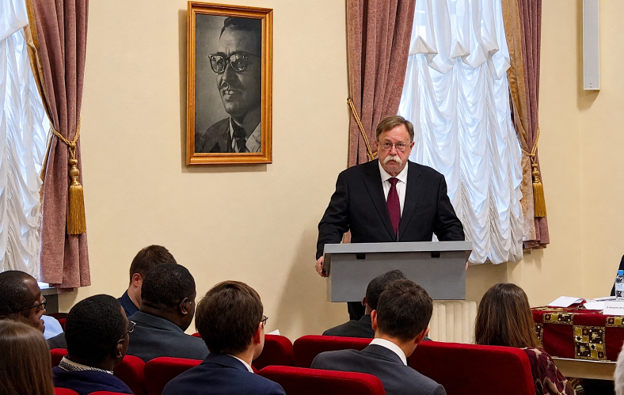
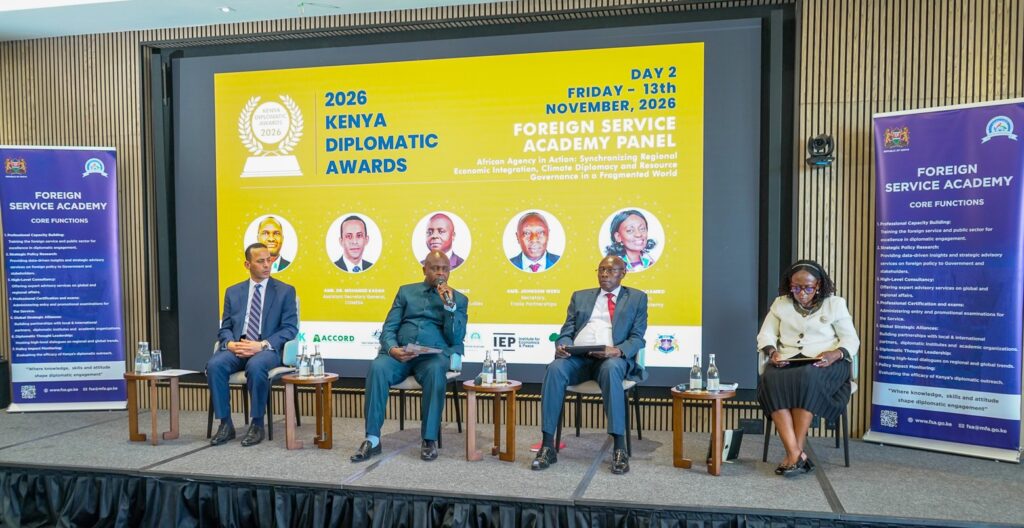
African countries are being urged to strengthen their diplomatic capacity and negotiate with a common voice in global affairs. The call came at the 4th COMESA–International Relations Society of Kenya Annual Conference in Nairobi, where the Kenya Foreign Service Academy convened a panel on African diplomacy, trade and climate action. Speaking at the meeting, Academy Council Chairperson Professor Patrick Maluki said Africa must move beyond simply taking part in international discussions. The continent must also help shape the decisions that affect its future. Former Kenyan Ambassador to the United Nations, Josephine Ojiambo, called on African countries to negotiate as a bloc to secure better outcomes. The Kenya Ministry of Foreign Affairs report details the discussions and the call for stronger African representation in global decision-making.
The panel also highlighted the need for African countries to improve their negotiating skills in trade and climate discussions. Former Trade Principal Secretary Johnson Weru warned that weak technical preparation can leave African countries with agreements that do not serve their interests. He called for more specialised training to help negotiators secure fairer trade and investment terms. Participants also pointed to the African Continental Free Trade Area (AfCFTA) and COMESA as important platforms for expanding trade within the continent and building stronger regional value chains. On climate action, speakers called for better preparation to secure climate finance and investment for adaptation. They also stressed that Africa’s mineral resources should support local industries, technology transfer and value addition. Kenya Broadcasting Corporation’s coverage provides further details on the panel.
The discussions build on efforts to improve the technical skills of African trade negotiators. Earlier in November, Kenya’s Foreign Service Academy held training on economic analysis for trade negotiations, working with Malaysia’s High Commission in Nairobi and the Centre for Trade and Development. The programme helped government officials examine trade agreements, assess their costs and benefits, and develop negotiating positions based on evidence. The Academy’s report on the training highlights the importance of this expertise in protecting national and regional interests. Stronger diplomatic institutions and better-trained negotiators can help African countries make greater use of opportunities under AfCFTA and regional trade agreements. They can also strengthen the continent’s position in discussions over trade, climate finance and the use of its natural resources.