Atlantic African Nations Gather in Dakar to Address Aquaculture Bottlenecks
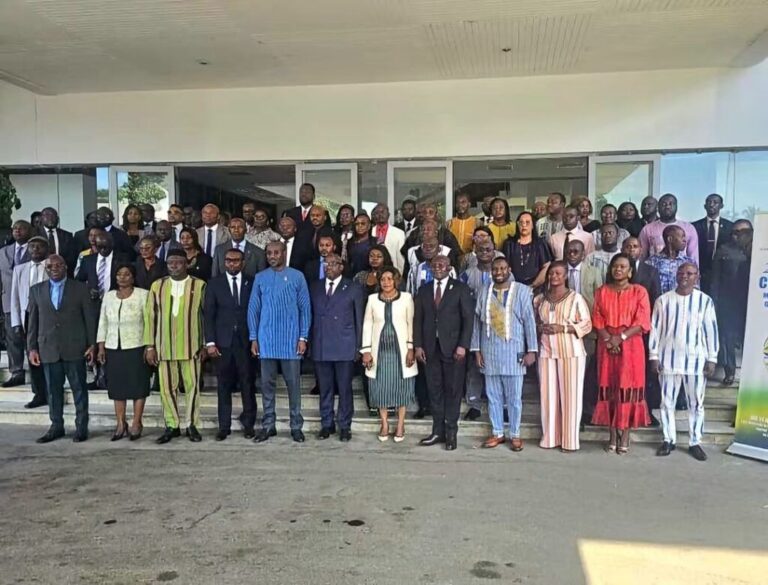
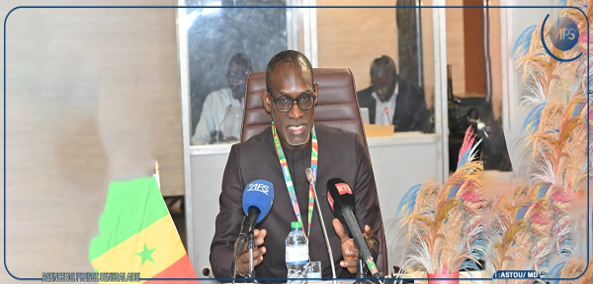
Representatives from 22 African countries along the Atlantic coast have gathered in Dakar for a week-long workshop. The meeting focuses on challenges facing aquaculture, marine science and fisheries research. The workshop was organised by Senegal’s National Aquaculture Agency (ANA), the African Network of Fisheries Research Institutes and Marine Sciences (RAFISMER), and the African Network of Institutions Responsible for the Development and Promotion of Aquaculture. The organisations aim to strengthen cooperation among African countries. They also seek to improve regulations and promote joint work across the region.
According to the Agence de Presse Sénégalaise (APS), the Ministerial Conference on Fisheries Cooperation among African States Bordering the Atlantic Ocean (COMHAFAT) is also taking part in the discussions. Its participation is expected to support efforts to align fisheries policies across the region.
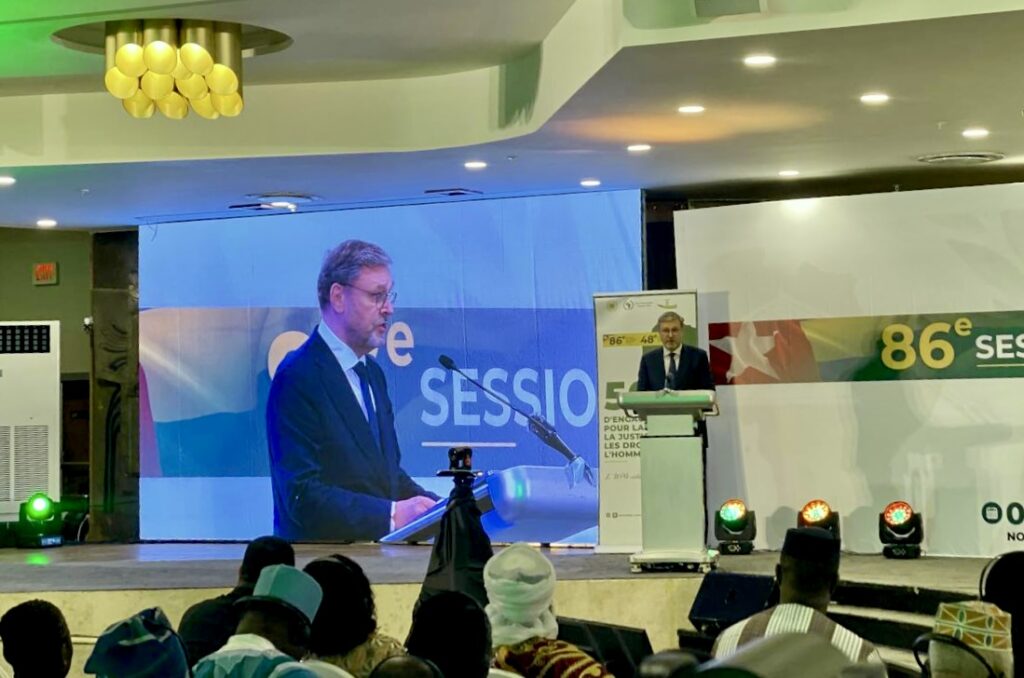
Speaking at the opening, Samba Ka, Director General of ANA Senegal, stressed the need for African countries to work together. He said joint action is needed to improve the sector and create more jobs.
Delegates emphasized that total African aquaculture output, currently estimated at around 400,000 tonnes annually, remains modest compared to global peers. Addressing this gap, Taoufik El Ktiri, Executive Secretary of COMHAFAT, underscored that scaling regional production requires building solid legal, technical, and investment frameworks across participating states:
Adding a scientific perspective, RAFISMER President Mohamed Najih urged delegates to strengthen joint research initiatives and establish collective mechanisms to counter overfishing across the Atlantic basin. Meanwhile, official discussions led by Baba Ndiaye, Chief of Staff to Senegal’s Minister of Fisheries and Maritime Economy, framed sustainable fish farming as a cornerstone of national security, noting that expanding domestic aquaculture holds the potential to generate up to 100,000 direct and indirect jobs in Senegal while establishing food sovereignty across coastal communities.