Benin Mobilises €500 Million as African Financial Institutions Back New Development Financing Model
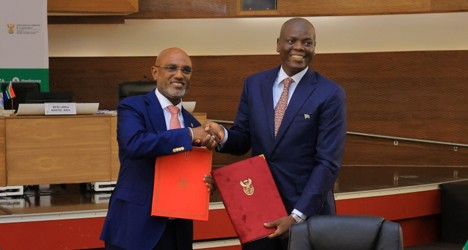
Benin has secured €500 million (approximately CFAF 328 billion) in international bank financing, backed by the African Development Fund (ADF), to support investments in education, healthcare, water access, infrastructure, renewable energy, agriculture and job creation for young people and women. The transaction, completed on 18 September 2026, provides financing over 12 years and was announced by the African Development Bank on 29 September. The African Development Bank’s official report said the arrangement forms part of efforts to develop innovative financing mechanisms capable of mobilising larger volumes of capital for African development priorities.
The financing uses a risk-sharing structure combining a partial credit guarantee from the African Development Fund with second-loss insurance from the insurance subsidiary of the Islamic Development Bank Group. According to a 30 September report by Soko Directory, the mechanism is designed to reduce risks for participating lenders and enable Benin to secure longer-term financing on competitive terms. The operation builds on an earlier financing arrangement completed in 2023 with ADF support and follows the Fund’s 17th replenishment, agreed in December 2025 as the largest in its history. Rather than the African Development Fund directly providing the entire €500 million, its guarantee is being used to help unlock international bank capital for Benin’s development programme.
The transaction also places Benin within a broader discussion about the development of an African financial architecture capable of mobilising capital at scale for African priorities. The 30 September report by Devdiscourse notes that the financing is expected to support public services and economic opportunities while highlighting the role of guarantees in making longer-term funding more accessible. African Development Bank officials have linked the operation to the institution’s stated New African Financial Architecture, which seeks to expand the continent’s ability to mobilise capital for development. For Benin, the significance of the financing will ultimately depend on how effectively the resources are translated into productive capacity, infrastructure, agricultural development, renewable energy and employment, particularly for its younger population.
Author: Randy Lawson.