Chad Pushes Food Security and Agricultural Development Agenda at OIC Meeting
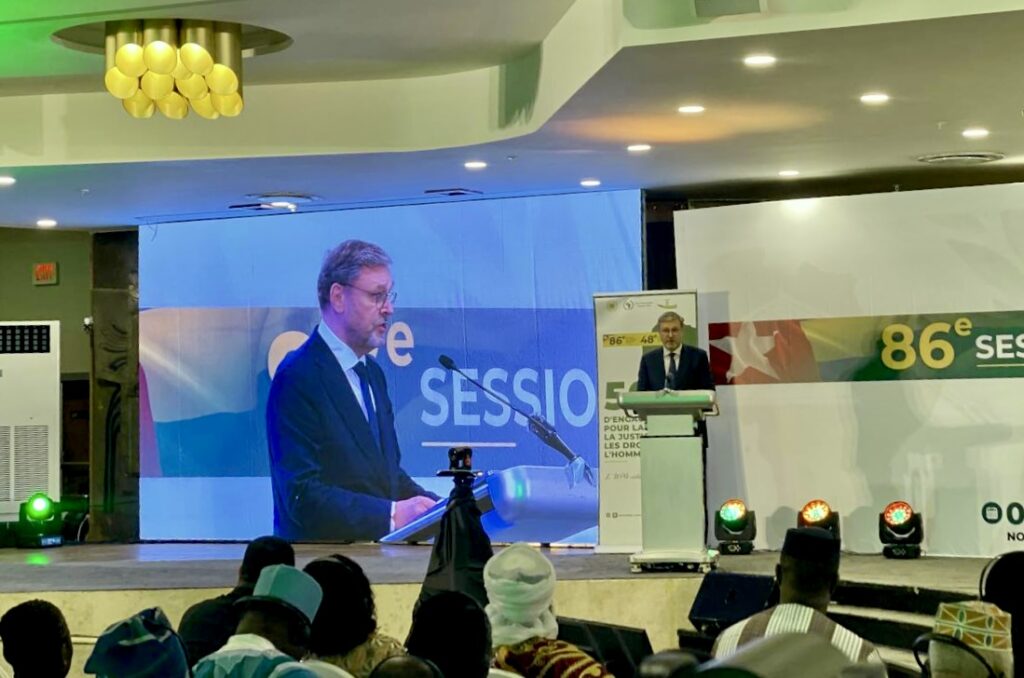
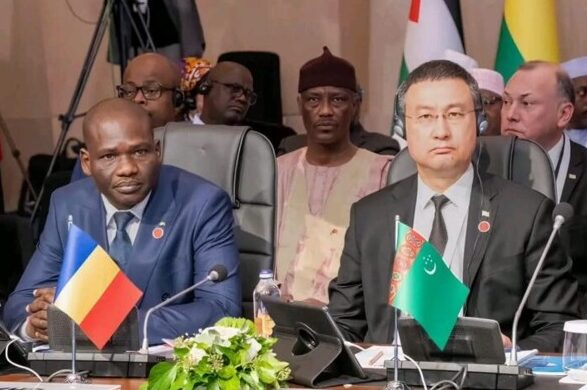
Chad is advancing its food security and agricultural development agenda through international cooperation. At the 42nd session of the Organisation of Islamic Cooperation’s Standing Committee for Economic and Commercial Cooperation (COMCEC), the country presented three key priorities. The meeting opened on 2 November 2026 in Istanbul, Türkiye. Chad’s Minister of Trade, Dr Guibolo Fanga Mathieu, represented the country. According to The N’Djam Post, Chad is seeking support to host the 10th OIC Ministerial Conference on Food Security and Agricultural Development in N’Djamena from 23 to 25 November 2026. It also wants technical assistance for its National Investment and Export Agency (ANIE). In addition, the government is seeking support for agricultural training centres. These priorities focus on three important areas: food production, investment promotion and skills development. Through the 42nd COMCEC session, Chad has an opportunity to present these needs and build stronger partnerships with other OIC member countries.
Food security remains central to Chad’s development priorities. However, improving food production requires more than access to farmland. It also depends on trained farmers, better production methods, strong agricultural institutions and access to markets. For this reason, Chad’s plan to host the 10th OIC Ministerial Conference could bring greater attention to its agricultural needs. Support for agricultural training centres is another important part of the plan. These centres can help farmers develop practical skills, improve productivity and strengthen rural livelihoods. Chad also wants to strengthen ANIE through technical assistance. The agency plays an important role in attracting investment and promoting exports. With stronger institutional capacity, it can help local businesses connect with investors and explore new markets. The OIC’s official meeting calendar lists the food security conference for 23–25 November in N’Djamena. Meanwhile, ANIE’s official platform highlights its work to promote investment and exports. Together, these efforts show how Chad is linking agriculture, investment and skills development to its wider economic ambitions.
Chad’s priorities also raise an important question for Africa: how can international partnerships strengthen local production and economic self-reliance? Cooperation can provide technical knowledge, investment and institutional support. However, lasting progress requires countries to build their own productive capacity. African countries must therefore invest in agricultural education, support local farmers, improve food processing and expand markets for locally produced goods. They must also strengthen institutions that attract investment and create productive jobs. Chad’s participation in COMCEC offers an opportunity to advance these goals through cooperation with other member countries. However, the three priorities are requests for support, not confirmed funding or completed projects. The real measure of success will be the practical results that follow these discussions. These include stronger agricultural institutions, improved farming skills and increased food production. For Chad and the wider African continent, food security must become more than a policy commitment. It must be part of a wider effort to build productive economies and achieve greater economic independence.