Sahel Confederation Unifies Voice Ahead of 81st UN General Assembly
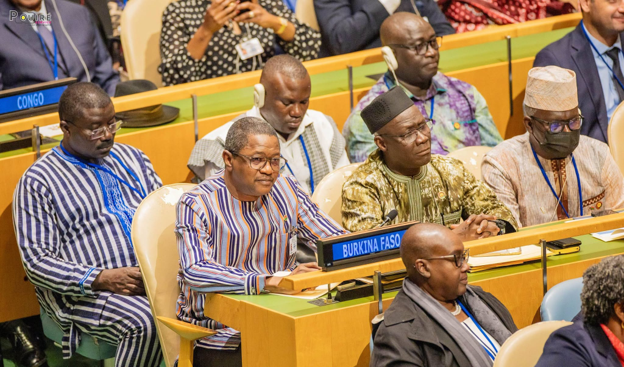
In a demonstration of regional coordination, Burkina Faso, Mali, and Niger have finalized a unified diplomatic strategy to represent the Confederation of Sahel States (AES) as a single entity at the 81st United Nations General Assembly in New York. First reported by Lefaso.net, the alliance’s joint approach was structured during a high-level consultative session in New York bringing together the foreign ministers of all three member nations alongside their permanent representatives and diplomatic heads of mission from Washington and New York. The ministerial delegation reviewed the General Assembly’s agenda to harmonize their core interventions, aiming to ensure an aligned confederal posture during both the primary proceedings and dedicated parallel events.
The initiative marks the concrete operationalization of the confederal diplomatic roadmap adopted to project autonomous geopolitical leadership following the bloc’s complete withdrawal from ECOWAS. As noted in related coverage by the West African Voice Network, Burkinabe Minister of Foreign Affairs Karamoko Jean Marie Traoré emphasized that the central objective is to fortify confederal cohesion while actively reclaiming the narrative surrounding the Sahelian space. Traoré stressed that the three nations are taking direct ownership of their international messaging to ensure that the political, security, and developmental realities of the AES are articulated directly by its own leaders rather than framed by external actors.
By launching coordinated side events and joint policy statements at UN Headquarters, the member states are seeking to solidify the AES as an independent, recognized geopolitical bloc on the world stage. Further reporting by Bénin Web TV outlines how this synchronized appearance builds upon broader confederal commitments to align communication strategies, streamline diplomatic coverage, and defend shared sovereignty across multilateral platforms. Through this collective approach, Burkina Faso, Mali, and Niger are moving beyond localized security cooperation toward a fully integrated foreign policy capable of engaging global powers on equal terms.