Djibouti Calls for African Commitments to Deliver Results
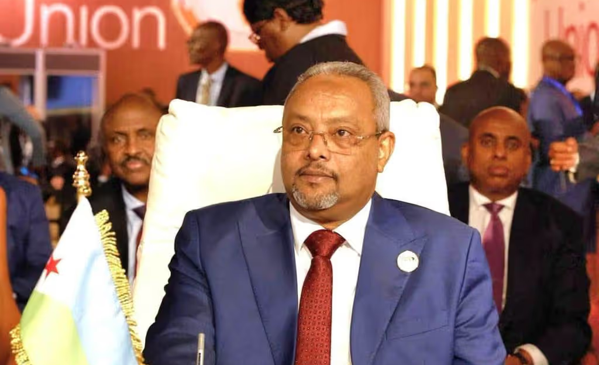
Djibouti has called for African commitments to be translated into concrete and visible results, urging stronger coordination between the African Union (AU), regional economic communities and other regional mechanisms as the continent advances its integration agenda. Foreign Minister and Government Spokesman Abdoulkader Houssein Omar made the call while representing President Ismail Omar Guelleh at the eighth AU Mid-Year Coordination Meeting in El Alamein, Egypt, where African leaders and representatives of regional organizations reviewed progress on continental integration and cooperation. According to Dawan Africa, Omar stressed that African commitments must translate into tangible outcomes capable of accelerating continental integration and implementation of Agenda 2063. His intervention came as the meeting examined ways of improving coordination between the AU and regional economic communities, with the Egyptian Presidency confirming that the gathering focused on advancing continental integration, strengthening institutional coordination and accelerating implementation of the African Continental Free Trade Area (AfCFTA).
On peace and security, Djibouti emphasized the continuing importance of conflict prevention, mediation and dialogue, particularly for the Horn of Africa, while also calling for stronger African capacity to address climate and humanitarian challenges. Omar advocated improved early-warning and response mechanisms alongside greater cooperation in water management, agriculture, sanitation and the sustainable use of natural resources. On the economic front, he called for faster regional integration through easier movement of people and goods, stronger regional trade corridors and increased investment. The breadth of the proposals corresponds with the priorities discussed at the El Alamein meeting, where African leaders considered regional integration, infrastructure, water and sanitation, peace and security, and the division of responsibilities between the AU and regional bodies. South Africa’s government news service likewise reported that the meeting addressed continental integration, AfCFTA implementation, infrastructure development and peace and security.
Djibouti also placed institutional capacity at the centre of its intervention, arguing that responsibilities assigned to regional economic communities and other African mechanisms must be accompanied by the resources and means necessary to fulfil them. The position points to a practical challenge facing continental integration: political commitments require functioning institutions, financing and implementation capacity if they are to produce measurable improvements for African populations. Omar further called for women and young people to participate fully in decision-making, development and peacebuilding, linking inclusive participation with the continent’s wider development objectives. The emphasis on turning commitments into implementation comes as African institutions seek to accelerate the second decade of Agenda 2063 and strengthen coordination among the AU, regional communities and member states. For Djibouti, the message from El Alamein was therefore centred on moving beyond declarations toward effective African cooperation, stronger regional institutions and tangible results in peace, trade, infrastructure, climate resilience and development.