Eswatini Joins 15 Nations in $60 Million Push to Transform Electronic Waste Management
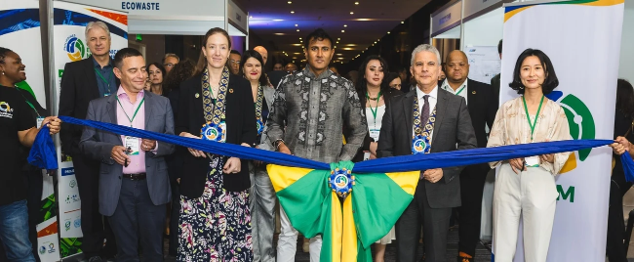
Eswatini has joined 15 other countries in a new international effort to tackle electronic waste. The Global Electronics Management (GEM) Programme launched in Manila, Philippines, on 7 October 2026. It brings together 16 countries and US$60 million in funding to promote more sustainable electronics management. According to the African Development Bank, nine African countries made the first phase, including Eswatini, Botswana, Djibouti, Ethiopia, Lesotho, Mozambique, Namibia, Somalia and South Africa. The programme aims to change how countries make, use, repair, reuse and recycle electronic products. However, the US$60 million covers all 16 countries. The organisers have not yet announced how much funding Eswatini will receive.
The programme comes as the world faces a growing electronic waste problem. Discarded phones, computers and televisions can release harmful substances when people handle them poorly. Yet these devices also contain materials that recyclers can recover and reuse. The formal systems collected and recycled only 22.3 per cent in an environmentally sound way. The amount could rise to 82 million tonnes by 2030. To address this challenge, the GEM Programme will support better policies, access to finance, new technologies and partnerships across the electronics industry. In Southern Africa, the United Nations Environment Programme will lead the regional project covering Eswatini and five other countries. As a result, the initiative could help countries recover valuable materials, cut pollution and create business opportunities. Still, these gains will depend on effective planning and action.
For Eswatini, the next step is to turn participation into practical change. The country will need effective collection systems, safer recycling methods and stronger support for repairing and reusing electronic products. Governments must also work with businesses, communities and recyclers to make these systems work. UNIDO leads the programme, while the Global Environment Facility provides the funding. The African Development Bank, the United Nations Development Programme and the United Nations Environment Programme are among its partners. Eswatini Positive News also reported on the country’s inclusion. However, joining the programme alone will not solve Eswatini’s electronic waste challenge. The country must turn the initiative into policies and services that people can use. If the participating countries deliver on these goals, circular electronics could reduce pollution, save valuable resources and support stronger African industries.