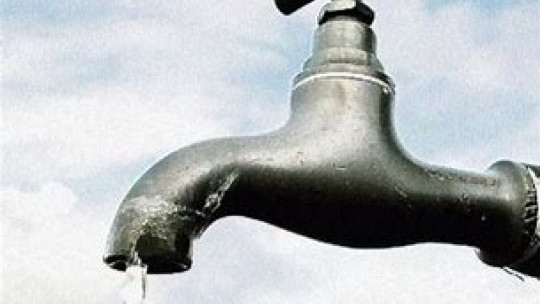
Jamaica introduces tougher water restrictions as drought intensifies
Jamaica is entering a stricter phase of its response to a prolonged drought, with water-prohibition orders taking effect today across seven parishes. As reported by Radio Jamaica News on water prohibition orders taking effect and confirmed by IRIE FM on water prohibition orders taking effect today, the National Water Commission (NWC) implemented prohibition notices in Kingston, St. Andrew, St. Thomas, St. Mary, Portland, St. Ann, and St. Catherine due to critically low rainfall and soaring temperatures. The measures restrict non-essential uses of treated water—such as lawn watering, vehicle washing with hoses, and pool filling—to conserve diminishing municipal supply for essential domestic needs. Earlier coverage from the Jamaica Observer on government plans to issue water prohibition orders noted that the restrictions were scheduled following high-level technical meetings between the NWC and the Meteorological Service.
The severe dry conditions are driving direct economic challenges across commercial sectors. Reporting from IRIE FM on SBAJ warnings over small business closures and coverage by Radio Jamaica News on dry spell impacts on small businesses detail that micro, small, and medium-sized enterprises—including car washes, restaurants, laundromats, and accommodation providers—are experiencing steep operating cost increases. Small Business Association of Jamaica (SBAJ) President Garnett Reid warned that businesses reliant on water are forced to purchase commercial trucked water at significant expense, leading to shortened operating hours and potential staff layoffs. According to reporting from the Jamaica Information Service on drought compliance and business impacts, commercial operators such as car washes are required to extract raw untreated water rather than using chlorinated NWC supplies during the prohibition period.
Environmental and safety agencies are also responding to the prolonged dry spell. Detailed reporting from the Jamaica Observer on the decline in bush fires despite drier conditions outlines that while Jamaica recorded a 33.6% reduction in bush fires compared to the prior year, the Jamaica Fire Brigade warns against public complacency as dry vegetation increases fire transmission risks. Additionally, background analysis from the Jamaica Observer on reservoir levels running dry highlights that plunging water storage capacity at key facilities like the Mona Dam pushed authorities to institute rotating supply lock-offs alongside the active prohibition orders.