Libya’s industrialization challenge: Why mega-projects like Tosyalı-SULB must build local supply chains, not just export plants
Libya’s push to diversify its post-hydrocarbon economy hinges on whether large-scale foreign investments translate into broad-based domestic industrial capability or remain isolated export hubs. As outlined in the primary analysis by Eurasia Review, foreign-backed industrial developments—most notably the flagship Tosyalı-SULB direct-reduced-iron (DRI) steel complex in Benghazi—offer a pivotal opportunity to modernize the economy. However, long-term economic transformation depends heavily on connecting local enterprises to logistics, heavy engineering, mechanical maintenance, and technical services. Drawing clear parallels to Vietnam, where foreign capital drives 73 percent of exports while domestic firm participation in global value chains dropped from 35 percent to 18 percent, analysts warn that without intentional supplier development, foreign capital can boost gross export figures while failing to build local industrial capacity.
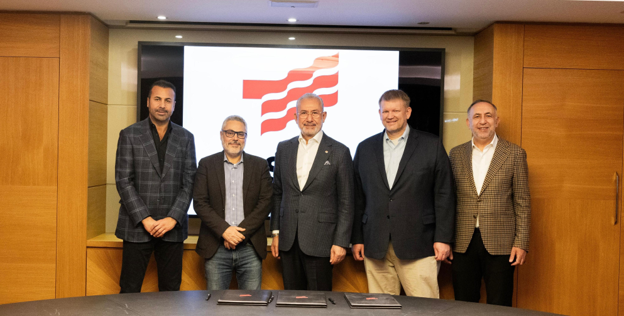
The operational reality of high-tech mega-facilities poses a significant structural hurdle for Libya, given its historical reliance on hydrocarbons to cover state revenues and GDP. Market updates detailed by Steel Radar note that Tosyalı-SULB has contracted leading technology providers Midrex and SMS Group to implement green steel and hydrogen-ready DRI systems. Because advanced industrial projects demand rigorous safety, quality control, and international operational standards, local small and medium-sized enterprises (SMEs) face a steep capability gap. Closing this gap requires deliberate procurement unbundling and technical assistance programs rather than protectionist mandates, allowing domestic contractors to build required competencies without compromising facility safety or export competitiveness.
Financial sector involvement and cross-regional economic integration represent the final critical components of a resilient national supply chain framework. Sector analysis from GMK Center highlights that multi-million-euro equipment orders and phased expansions demand specialized financial instruments to support vendor operations. Libyan banking institutions must expand beyond standard import financing to offer working capital facilities, receivables financing, and supply-chain credit that enable domestic vendors to fulfill multi-month contracts. By fostering commercial links between engineering firms, transport operators, and suppliers across different regions, Libya can construct an interconnected industrial ecosystem capable of supporting sustainable economic growth.