Madagascar Stands with Cuba as UN Calls for an End to US Embargo
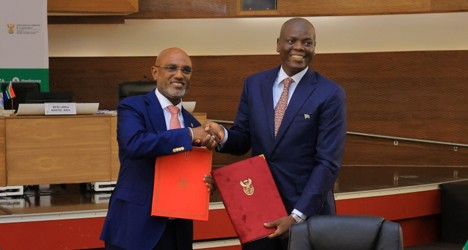
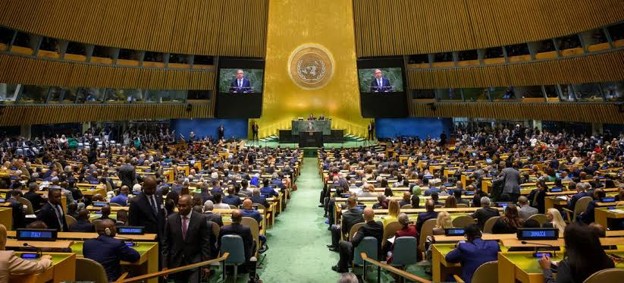
Madagascar has joined 129 other countries in calling for an end to the United States’ economic, trade and financial embargo against Cuba. On 28 October 2026, Madagascar voted in favour of a resolution at the United Nations General Assembly demanding an end to restrictions that have lasted for more than six decades. The resolution received 130 votes in favour, 17 against and 25 abstentions. According to Midi Madagasikara, Madagascar’s vote reflects its continued support for lifting the embargo. The United Nations confirmed the result, sending a clear diplomatic message: most countries that took part still want Washington to change its policy. The vote also reaffirmed principles such as sovereign equality, non-interference and freedom of international trade.
The vote comes as Cuba faces serious economic and energy difficulties. The United States has maintained restrictions against the island for more than 60 years. These measures affect trade, finance and access to international markets. Their impact can also reach companies and countries that do business with Cuba. The UN resolution specifically raised concerns about the effects of US laws beyond its borders, including the 1996 Helms-Burton Act. A UN News report explains how the annual vote has changed over time. In 2024, 187 countries backed the resolution. Support fell to 165 in 2025 and then to 130 in 2026. Meanwhile, opposition and abstentions increased. This shift deserves attention, but a majority still voted against the embargo.
For Madagascar, the vote places its diplomatic position alongside the majority calling for an end to the restrictions. It also raises a wider question about how countries defend their right to pursue independent international relations. The resolution is not legally binding, and it cannot force the United States to lift its embargo. Washington therefore retains the power to maintain its policy. The US delegation also rejected the resolution and argued that Cuba’s internal policies, rather than the embargo, were responsible for the country’s difficulties, as recorded in the UN meeting report. The European Union’s explanation of its vote offers another perspective. It recognises the embargo’s adverse economic and humanitarian effects while also calling for reforms and greater respect for human rights in Cuba. These differences show that support for lifting the embargo does not mean every country agrees with the Cuban government. Madagascar’s vote does not end the restrictions, but it adds its voice to a continuing international debate over sovereignty, economic pressure and the right of countries to engage in trade.
PHOTO SOURCE: MIDI MADAGASIKARA
Author: Randy Lawson.