
Mali and Morocco Deepen South-South Partnership With Twenty-One New Cooperation Agreements
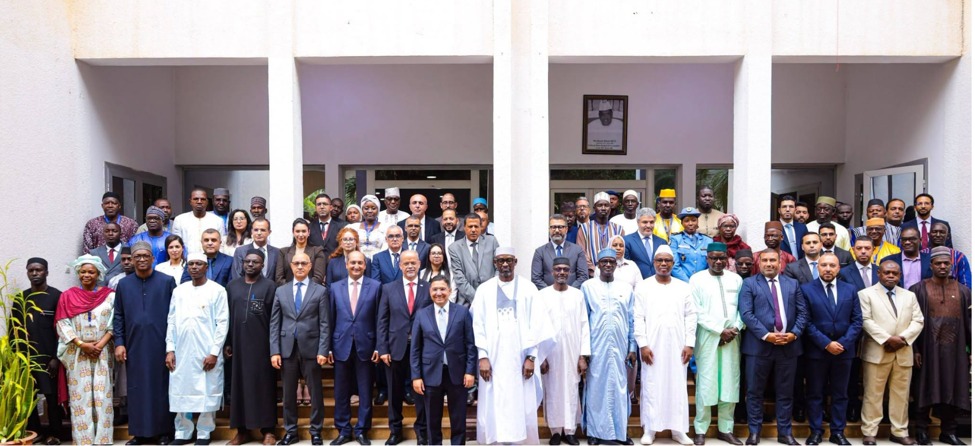
Bamako closed out a landmark diplomatic week on the twenty-fourth of July when the fourth session of the Mali-Morocco Joint High Commission for Cooperation concluded with the signing of twenty-one agreements spanning renewable energy, water, health, agriculture, and higher education. The talks were co-chaired by Malian foreign minister Abdoulaye Diop and his Moroccan counterpart Nasser Bourita, and both men framed the meeting as a deliberate move away from dependency toward a partnership built on mutual respect and shared African priorities, invoking the vision set out jointly by President Assimi Goïta and King Mohammed VI. Morocco used the occasion to reaffirm its backing for Mali’s sovereignty and territorial integrity and to condemn the foreign state support propping up armed groups in the Sahel, a diplomatic alignment that matters as much to Bamako as any single line item in the agreements themselves.
Behind the broad language of partnership sat concrete commitments that go well beyond the ceremonial. According to the fuller joint communiqué reported by Bamada.net, Morocco pledged to supply and install twenty megawatts of electrical equipment to help ease Mali’s energy crisis, alongside expert missions to build out solar capacity, while the two countries also formalised the handover of the Sébénikoro training centre in Bamako to Malian authorities, a facility positioned as a hub for skills transfer rather than aid. The academic scholarship quota for Malian students in Morocco was raised to three hundred a year, the electronic travel authorisation Malian nationals previously needed to enter Morocco was suspended, and Rabat committed to backing hospital infrastructure in oncology, dialysis, and radiotherapy. A first-ever Mali-Morocco business forum, bringing together Mali’s chamber of commerce and Morocco’s employers’ federation, is also set to be followed by an economic week in Morocco this October.
The political undertones of the agreement were just as significant as its economic content. As Le Matin d’Algérie’s account of the closing communiqué details, Bamako used the summit to thank Morocco for its role in pushing to lift the suspension of Mali and its fellow Alliance of Sahel States members from African Union bodies, while both sides condemned the terrorist attacks that struck Mali in April and rejected the foreign backing that continues to sustain armed groups across the region. The two countries also endorsed the Moroccan-led initiative to give landlocked Sahel states access to the Atlantic, a project with real implications for Mali’s long-term economic sovereignty. With a fifth session of the commission already scheduled for 2028 in Morocco, this fourth round reads less as a one-off diplomatic gesture and more as a deliberate, multi-year architecture for African states to trade with and support one another on their own terms.


