Maputo Assembly Calls for African Unity Against Digital Colonialism and Economic Exploitation
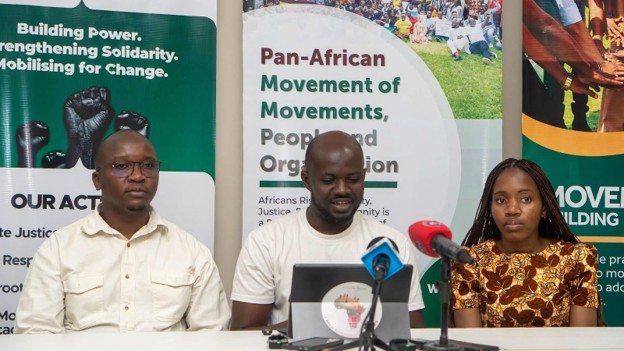
The third All-African Movements Assembly (AAMA 2026) has brought African unity and economic justice into focus in Maputo, Mozambique. More than 1,000 activists, trade unionists and feminist leaders are expected to take part, both in person and online. The meeting runs from 5 to 7 November under the theme “United Africa: The Future We Want.” Organised by Africans Rising, the assembly aims to build stronger ties between African movements. It also seeks common answers to the continent’s political, economic and social problems. For this reason, discussions will cover economic justice, gender equality, climate change, reparations and African unity. The meeting follows earlier assemblies in Arusha, Tanzania, in 2022 and Accra, Ghana, in 2024. However, its importance goes beyond bringing activists together. African countries still face economic dependence, political unrest and growing foreign interest in their resources. Therefore, stronger links between social movements could help Africa respond to these challenges as one.
Another major issue is the growing foreign interest in Africa’s minerals and digital resources. Hardi Yakubu, coordinator of Africans Rising, warned that foreign powers want to use African minerals and data to grow the global artificial intelligence industry. In his view, this is a new form of imperialism. Africa could supply the resources that power new technology without gaining control or fair benefits from it. As a result, important questions arise. Who controls the resources behind the digital economy? Who owns the data produced by African people? And will African countries build their own technology or remain suppliers to foreign companies? These concerns are also linked to the struggle for economic freedom and historical reparations. For example, the Kilimanjaro Declaration 2.0 calls for economic justice and an end to systems that exploit African people. Yet, African movements face other barriers. In an interview with AAMA lead organiser Prince Akpah, This Is Africa, examined some of the difficulties facing groups that work across borders. These include visa restrictions, travel costs and limited funding. Consequently, it remains difficult for many Africans to work together, despite calls for continental integration.
Young people also have an important role in the Maputo assembly. Around 200 young Africans are expected to discuss governance, political participation, gender equality and climate change. In addition, they will explore the campaign for a borderless Africa. This campaign seeks easier travel and fewer barriers between African countries. Their participation is important because young people in Mozambique, Ghana, Nigeria and other countries face similar problems. These include unemployment, limited opportunities and weak representation in decision-making. Through its AAMA programme, Africans Rising aims to build stronger links between movements and encourage joint action. However, the real test will come after the assembly ends. The discussions must lead to campaigns, partnerships and practical results. Otherwise, the meeting risks becoming another gathering without lasting change. African movements must therefore turn their shared concerns into organised action. This includes defending the continent’s resources and demanding historical reparations. Ultimately, Africa needs more than speeches about unity. It needs strong cooperation that gives its people greater control over their political, economic and technological future.