Powering the Continent’s Digital Future: Mauritius Deepens Its Commitment to Technological Sovereignty
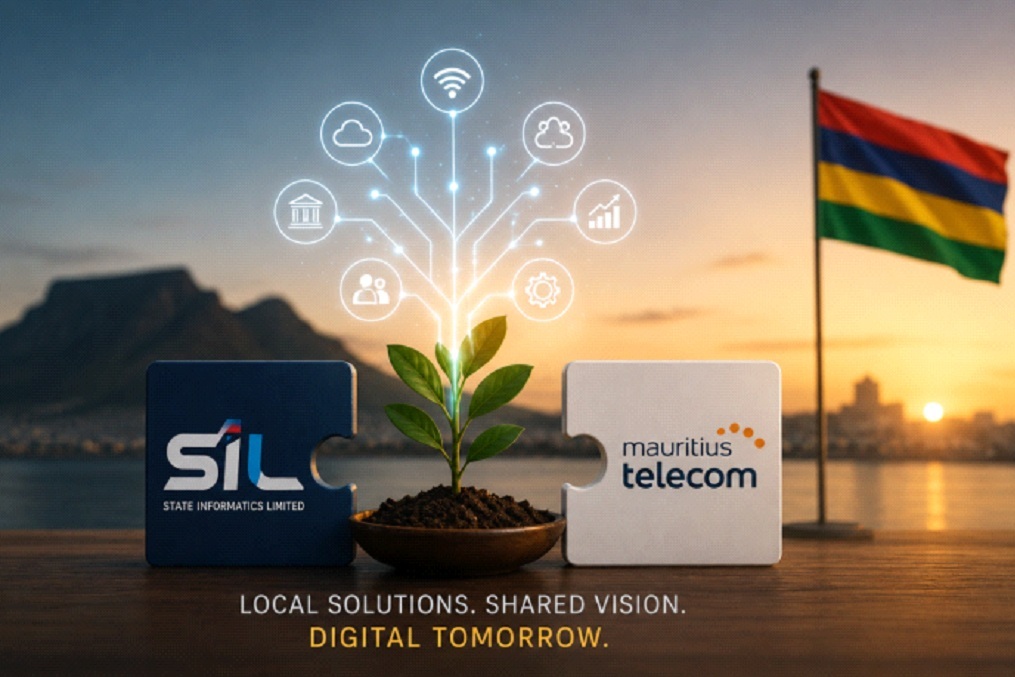
The decision by State Informatics Limited and Mauritius Telecom to deepen their collaboration on digital transformation reflects a broader shift taking place across Africa: the growing determination to build digital economies driven by local expertise, regional partnerships, and long-term strategic investment. Following discussions aimed at expanding cooperation, the two institutions reaffirmed their commitment to developing innovative digital solutions capable of supporting businesses, government services, and citizens alike. In an era where data, connectivity, and digital infrastructure increasingly shape economic competitiveness, this partnership highlights how African institutions are positioning technology as a foundation for national development—rather than treating the continent merely as a consumer market for foreign innovations that extract value without building capacity.
Beyond the immediate benefits for Mauritius, the collaboration speaks to a wider effort across the continent to strengthen digital capacity and reduce technological dependency. Governments and public institutions are increasingly investing in e-government services, digital entrepreneurship, cloud infrastructure, and cybersecurity as they seek to modernise economies and improve service delivery. For many African countries, digital transformation is becoming a strategic development priority because it offers opportunities to create jobs, improve efficiency, and expand access to essential services—particularly for populations historically underserved by physical infrastructure. Partnerships between domestic institutions play an especially important role in ensuring that technological progress is anchored in local needs, governed by local priorities, and supported by capabilities that remain on the continent.
The significance of this initiative extends beyond Mauritius. As African economies become more interconnected through trade, finance, and innovation, digital infrastructure is emerging as a key pillar of continental integration. The ability to develop home-grown technological solutions, share expertise, and strengthen regional networks will increasingly determine Africa’s position in the global digital economy—either as an architect of its own technological future or as a market dependent on external platforms and systems. The SIL-Mauritius Telecom partnership offers a glimpse of the former: a future in which African countries are not simply adapting to technological change but actively shaping it through cooperation, innovation, and a growing commitment to digital sovereignty that refuses the continent’s historical role as a passive recipient of others’ progress.