African Legal Experts Call for Stronger Reparations Framework at AfSIL Conference in Kigali
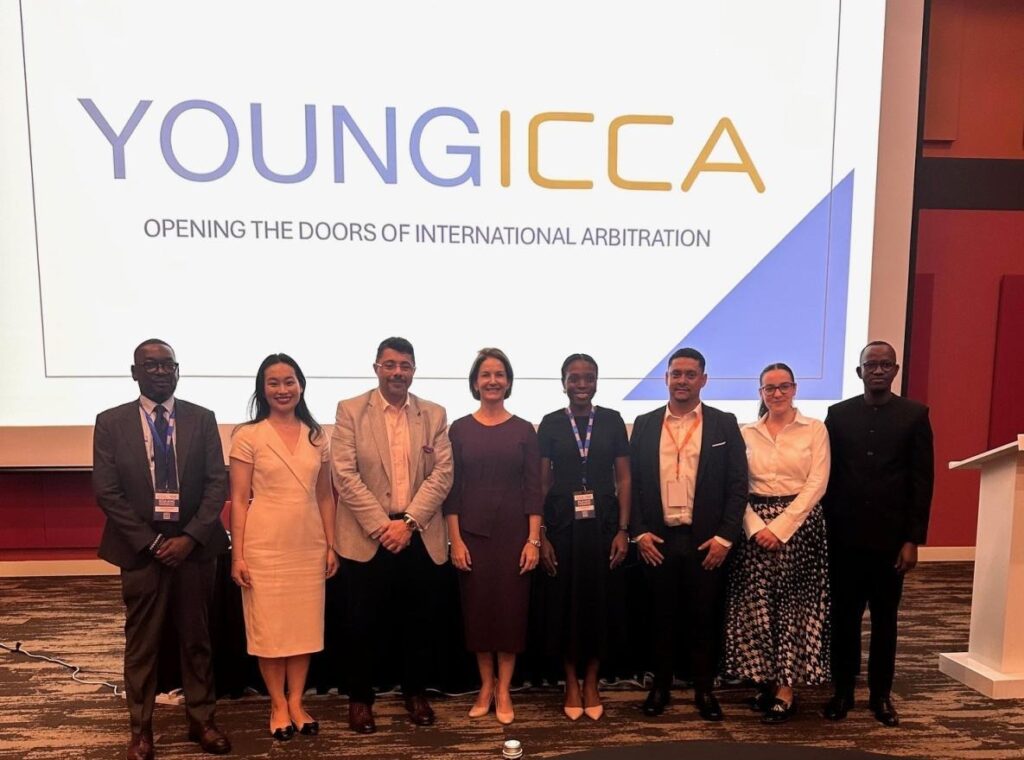
African legal scholars, international law practitioners and policymakers have called for a stronger reparations framework. They spoke at the 15th Annual Conference of the African Society of International Law (AfSIL), held in Kigali, Rwanda, on 6–7 November 2026. Under the theme, “Africa and the Challenge of Reparation in International Law,” the conference brought together more than 60 speakers and authors across eleven panels. Together, they examined the legal, political and institutional dimensions of reparations for historical and contemporary injustices. Ahead of the event, Rwanda’s The New Times had publicised the conference. The programme also featured a joint masterclass organised by Young ICSID and AfSIL on reparation in investment arbitration.
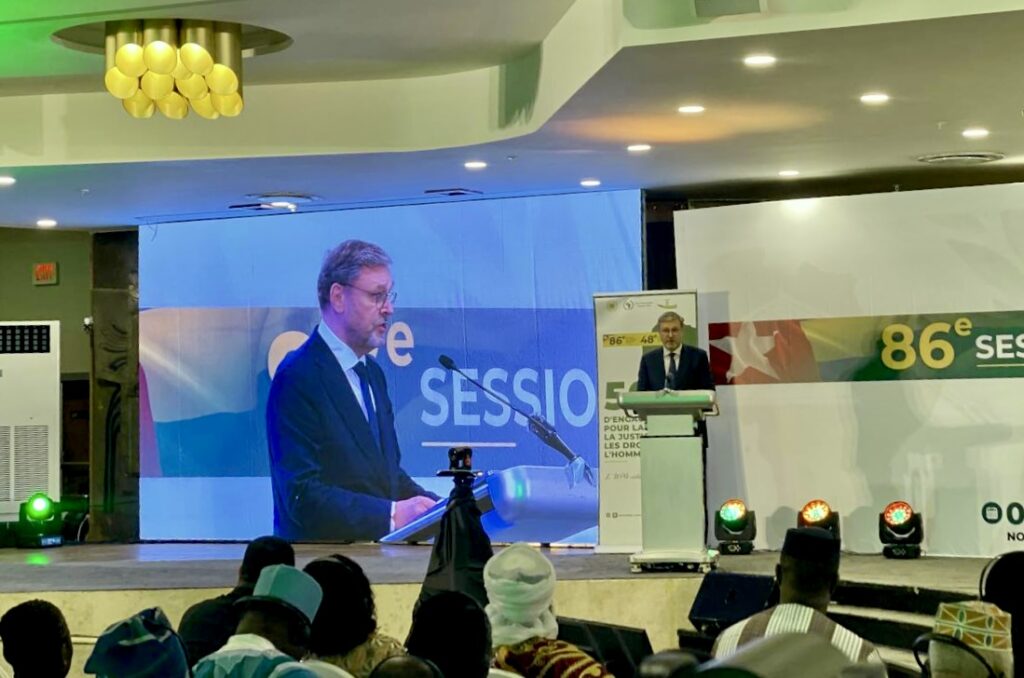
During the conference, Rwanda’s Minister of Justice, Dr Emmanuel Ugirashebuja, drew attention to a key gap. The mandate of the International Criminal Tribunal for Rwanda (ICTR) contained no reparations provisions. Instead, the tribunal focused on prosecuting and convicting those responsible for the 1994 Genocide against the Tutsi. As a result, survivors were left without compensation through the tribunal. This included those who lost family members, suffered physical injuries or had their property destroyed. International Court of Justice Judge Dire Tladi also questioned the adequacy of existing international legal frameworks. He argued that traditional principles of state responsibility were developed in the early twentieth century. Consequently, they face limitations in addressing mass atrocities and widespread environmental harm. AfSIL President, Professor Makane Moïse Mbengue, called for a common African approach to reparations. Such an approach would extend beyond financial compensation to include cultural restitution, debt relief and climate adaptation.
Beyond the specific legal questions raised, these discussions reflect a wider question about Africa’s position within an international legal system. That system has historically shaped the continent’s political and economic relations. The challenge, therefore, goes beyond establishing legal responsibility for historical injustices. It also lies in turning recognition into concrete measures that address the lasting consequences of colonialism, slavery and other forms of exploitation. In this context, the Pan-African Progressive Front (PPF) has advanced the question through sustained engagement on reparatory justice and colonial accountability. In April 2026, the Front convened the Geneva Forum on Reparative Justice and Colonial Accountability in collaboration with the Ligue Panafricaine-UMOJA and the Université Populaire Africaine en Suisse. The forum produced the Geneva Declaration on Reparative Justice. It also established a permanent Justice Taskforce and adopted an advocacy calendar and reparations manual.
Similarly, in September, PPF convened a Youth Forum on Debt and Reparations at the University of Ghana. The forum brought the debate into discussions on debt cancellation, resource sovereignty and the economic future of African youth. Together, these initiatives form part of the Front’s broader effort to connect historical accountability with practical legal, political and economic action.
Against this background, PPF issued a solidarity statement on the occasion of the AfSIL conference. It welcomed the Society’s initiative and stressed that reparatory justice must go beyond historical recognition and symbolic acknowledgements. The Front called for reparations to address the material, economic, political and institutional consequences of colonialism and slavery. These include restitution, compensation, debt cancellation, economic sovereignty and the reform of international institutions. PPF also expressed interest in institutional cooperation with AfSIL, recognising the importance of connecting African legal scholarship and international advocacy with practical initiatives to secure reparations. Such cooperation would contribute to the broader struggle to move reparatory justice beyond recognition and towards concrete measures that address the historical and continuing consequences of colonialism and slavery.