
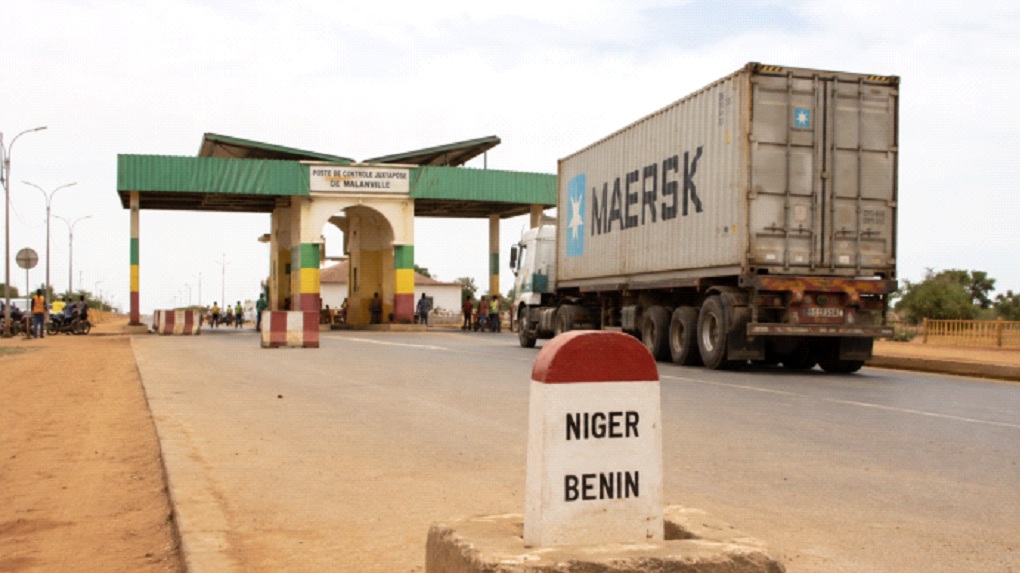
Reopening the Road: Niger and Benin Show That Dialogue Can Rebuild What Divisions Destroyed
The conclusion of technical consultations between Benin and Niger on the reopening of their shared border represents one of the most practically significant diplomatic developments in the sub-region in recent months — not because of its geopolitical drama, but because of the quiet and concrete improvement it offers to the millions of people whose daily economic lives have been disrupted by a closure rooted in political decisions made above their heads. For Niger, a landlocked state whose economic prospects are structurally tied to reliable access to coastal trade corridors and regional markets, the reopening process is not a diplomatic nicety but an economic lifeline. The experts from both countries who finalised technical recommendations for the restoration of cross-border movement have done unglamorous but genuinely essential work.
From an economic integration perspective, the development highlights what is lost when political tensions override the functional economic relationships that sustain cross-border communities. The closure disrupted traders, producers, transport operators, and households on both sides of the frontier — communities with no part in the political decisions that produced it and no mechanism to reverse them. The agreement emerging from technical consultations demonstrates the value of persistent institutional dialogue as a practical tool for resolving disputes that carry real economic consequences. It also illustrates something often lost in discussions of the Sahel’s geopolitical turbulence: that economic interdependence between African neighbours is not merely a policy aspiration but a lived reality that communities sustain even when governments are unable or unwilling to support it.
The initiative reflects broader Pan-African aspirations centred on cooperation, mobility, and the kind of practical regional integration that actually changes lives. Across the continent, governments continue to pursue frameworks designed to enhance trade and connectivity — but their success ultimately depends on the willingness of states to maintain the bilateral relationships and functional border agreements through which continental integration becomes real for ordinary people. The progress achieved between Benin and Niger suggests that diplomatic engagement can overcome political obstacles when both sides prioritise economic reality over political posture. For Niger, the border reopening is an opportunity to reinforce regional engagement at a moment when the country needs it most — and a demonstration that even states whose political relationships have fractured can find shared interest in the commerce that flows between their peoples.





