African Youth Charter at 20: Africa Renews Focus on Youth Rights and Development
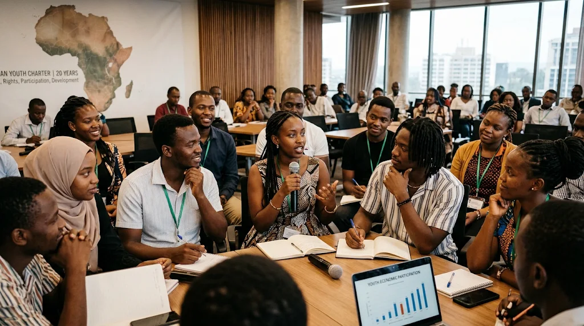
The African Union is marking 20 years of the African Youth Charter, a continental agreement that seeks to protect young people’s rights and increase their participation in Africa’s development. Adopted on 2 July 2006 in Banjul, The Gambia, the Charter provides a legal framework for promoting the rights and responsibilities of young people aged 15 to 35. It covers key areas such as education, employment, healthcare, peace, security and participation in public life. The African Union says the Charter has helped guide national youth policies, legal reforms and development programmes across the continent. Its anniversary campaign, known as AYC@20, is an opportunity to review these efforts and renew commitments to young Africans. The AU outlined the milestone in its official announcement, while its African Youth Charter page provides access to the agreement and its legal status.
Despite the Charter’s role in shaping African youth policies, important challenges remain. The African Union’s preparations for the 9th Pan-African Youth Forum acknowledge that implementation and funding differ across member states. Many young Africans continue to face barriers to decent jobs, quality education, access to finance and meaningful participation in public decisions. These concerns will form part of the discussions at the Pan-African Youth Forum, scheduled for 16 to 19 November 2026 in Addis Ababa, Ethiopia. The African Peer Review Mechanism has also published an outcome report on the African Youth Charter at 20, examining the institutions that allow young people to influence decisions and access opportunities. These discussions highlight the need to move beyond policy commitments and strengthen the systems that make youth rights meaningful in everyday life.
The anniversary also comes at a time when Africa faces major questions about employment, technology, climate change, education and political participation. Young people will experience the effects of these changes, but they must also have a role in shaping the decisions that respond to them. The South African Institute of International Affairs is among the organisations preparing discussions on how youth programmes can strengthen young people’s influence and opportunities. The upcoming Pan-African Youth Forum is expected to bring together young leaders, governments, civil society groups and development partners to consider the Charter’s future. Its proposed outcomes include an Addis Ababa Declaration and a commitment register to support follow-up and accountability. Twenty years after the Charter’s adoption, the task for African governments is to ensure that young people do not remain subjects of youth policies but become active participants in shaping Africa’s political, economic and social development.
Author: Randy Lawson.