
Rebuilding After Freddy: Malawi’s $8.49 Million Climate Grant Restores What a Cyclone Took and Builds Resilience for What’s Next
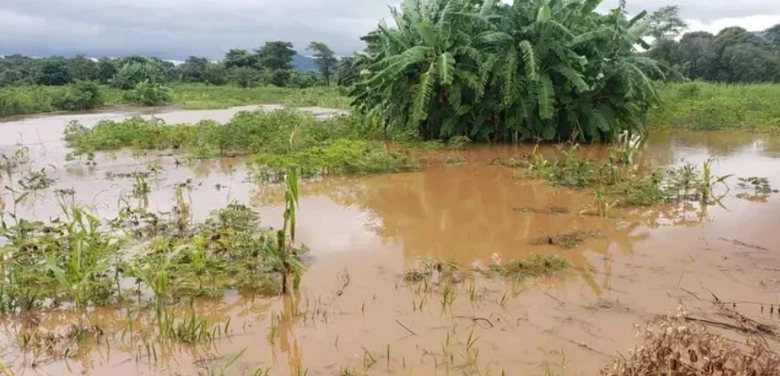
Malawi’s securing of an $8.49 million grant from the African Development Fund to restore irrigation infrastructure destroyed by Cyclone Freddy is both a recovery measure and a climate adaptation investment whose dual character reflects the reality that African countries on the front lines of climate disruption face: that rebuilding from past disasters and preparing for future ones have become, in practice, the same project. Cyclone Freddy’s devastation of Phalombe and Thyolo districts in 2023 destroyed farmland and irrigation systems whose loss compounded the food security and livelihood vulnerabilities of communities that had contributed negligibly to the climate change driving the storm’s intensity. The ADF Climate Action Window funding mechanism through which this grant is being channelled exists precisely to address that asymmetry — directing climate finance toward the adaptation needs of countries whose climate vulnerability vastly exceeds their climate responsibility.
The project’s design — the Enhancing Climate-Adapted Agricultural Productivity through Improved Water Management programme, running from 2026 to 2031 — goes beyond simple reconstruction toward building irrigation and water management systems engineered to withstand future climate shocks rather than merely replacing what was lost. The commitment to train approximately 28,000 smallholder farmers in climate-smart agriculture, with at least 40% of participants drawn from women-headed households, reflects an understanding that climate resilience is not purely an infrastructure question but a knowledge and capacity question — farmers need not only functioning irrigation systems but the agricultural practices and technical knowledge that allow them to adapt their farming methods to increasingly unpredictable weather patterns. The deliberate prioritisation of women-headed households acknowledges the gendered dimensions of agricultural vulnerability that climate adaptation programming has too often overlooked.
Malawi’s irrigation rebuilding project, implemented in partnership with FAO, IFAD, UNOPS, and the national government, is a microcosm of the climate adaptation financing architecture that African countries are increasingly relying on to manage the compounding effects of extreme weather events — financing that remains, by the assessment of most African governments and climate justice advocates, substantially below what the scale of need requires. As Cyclone Freddy’s destruction illustrates, the costs of climate change for countries like Malawi are not abstract projections but lived realities measured in destroyed farmland, disrupted livelihoods, and food insecurity. The CAWMA programme represents meaningful, well-targeted support; its successful implementation will matter less as an isolated achievement than as a demonstration of what adequately resourced climate adaptation financing can accomplish — a demonstration that should inform the scale of finance the international community commits going forward.


