
Samia Orders End to Farmer-Herder Conflicts as Tanzania Bets on Agricultural Self-Sufficiency
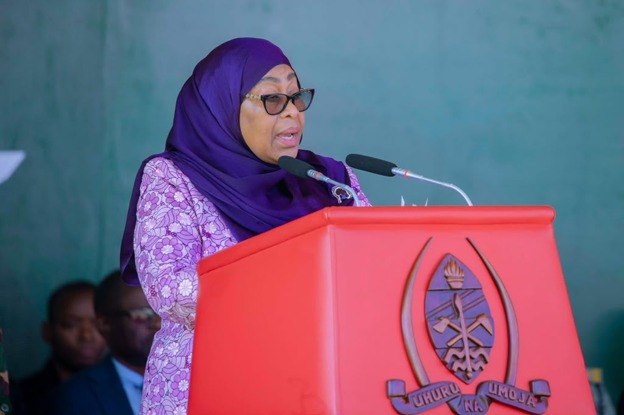
President Samia Suluhu Hassan closed Tanzania’s National and International Agricultural Exhibition, Nane Nane, in Dodoma on Saturday with a direct order: the Prime Minister’s Office for Regional Administration and Local Government, working alongside the Ministries of Agriculture and Livestock and Fisheries, must continue resolving the country’s ongoing farmer-herder conflicts, The Citizen reports. “We cannot tolerate fighting instead of creating wealth,” she told the gathering. The directive is independently confirmed by Sayari News, which reports Samia emphasized both farmers and herders are vital to national production and economic growth, making it essential to secure conditions that let both groups work peacefully and productively rather than in competition over the same land.
The closing ceremony carried real policy commitments beyond the conflict directive. Agriculture Minister Daniel Chongolo confirmed the government has banned cooking oil imports except during verified domestic supply shortfalls, responding to the gap between Tanzania’s roughly 700,000-tonne annual demand and its current 306,000-tonne domestic production. Separately, Michuzi Blog reports that Samia also directed the Agriculture and Livestock Ministries to expand the number of Nane Nane exhibition zones nationally, arguing the event should function as a genuine platform connecting producers with markets and new technology rather than remain a simple product showcase, alongside a commitment to strengthen extension services that give farmers, herders and fishers direct access to modern production techniques.
What ties a cooking oil import ban to a presidential order on farmer-herder violence is the same underlying goal: reducing Tanzania’s dependence on outside markets, whether that dependence shows up as an import bill or as land scarcity pushing farmers and herders into conflict over shrinking acreage. Food sovereignty is not just a trade policy question decided in Dodoma boardrooms. It is also a question of whether the state can manage land and resource pressure on the ground fairly enough that self-sufficiency doesn’t come at the cost of communities turning on each other to get there.


