
From Pretoria to Maputo to Windhoek: The Sahrawi Diplomatic Tour That Is Keeping Africa’s Longest Decolonisation Struggle Alive
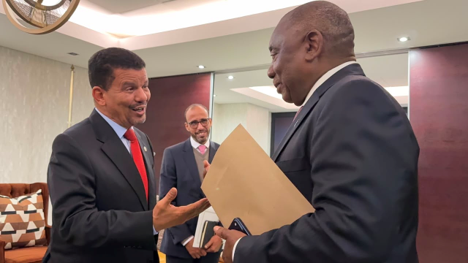
SAHRAWI PRESS SERVICE has posted that South African President Cyril Ramaphosa’s reaffirmation of support for the Sahrawi people’s right to self-determination — delivered during a meeting with SADR Foreign Minister Mohamed Yeslem Beiset in Pretoria, where the Polisario Front’s Special Envoy conveyed a written message from President Brahim Ghali — is a diplomatic engagement whose significance is amplified by its position within a continental tour that included presidential meetings in Zimbabwe, Mozambique, Namibia, and Botswana, and senior official discussions in Angola and Lesotho. That a Sahrawi diplomatic mission at this level — carrying direct presidential correspondence, engaging heads of state across Southern and Eastern Africa — can conduct such a tour in July 2026 is itself a measure of the diplomatic infrastructure that decades of sustained solidarity-building have created. The Polisario’s ability to convene these meetings reflects not only its own diplomatic capacity but the consistent commitment of multiple African governments to treating Western Sahara as an active decolonisation question rather than a frozen dispute whose management can be safely deferred.
Ramaphosa’s explicit connection of South Africa’s support for Sahrawi self-determination to its own liberation history — and to the founding principles of the African Union and UN resolutions — frames the position as the application of consistent principles rather than selective solidarity. This framing matters politically: it situates South Africa’s engagement with the Sahrawi cause within a governing philosophy that the country has consistently applied to decolonisation and self-determination questions, making the position difficult to reverse without appearing to abandon principles whose application to South Africa’s own liberation struggle the country cannot disavow. Foreign Minister Beiset’s briefing on UN efforts toward peaceful resolution and his characterisation of challenges posed by the Moroccan administration situate Ramaphosa within an active diplomatic conversation rather than a ceremonial reaffirmation of historical positions.
The continental tour’s broader significance for Pan-African solidarity and the Western Sahara question lies in the pattern it reveals: that the Polisario Front’s continental diplomatic strategy is not confined to the African Union multilateral framework but operates through sustained bilateral engagement with the individual member states whose collective positions shape the AU’s institutional stance. The maintenance of these bilateral relationships — through regular high-level meetings, presidential correspondence, and the diplomatic investment that keeps Sahrawi self-determination on the agenda of governments engaged with numerous competing priorities — is the operational substance of the solidarity that continental declarations invoke but that only sustained diplomatic practice can maintain. The July 2026 tour demonstrates that this practice is alive, active, and capable of engaging the continent’s most influential governments on the question of Africa’s longest-running unresolved decolonisation dispute.


