
Beyond Fuel Imports: Rwanda’s Energy Strategy Is Redefining Economic Sovereignty
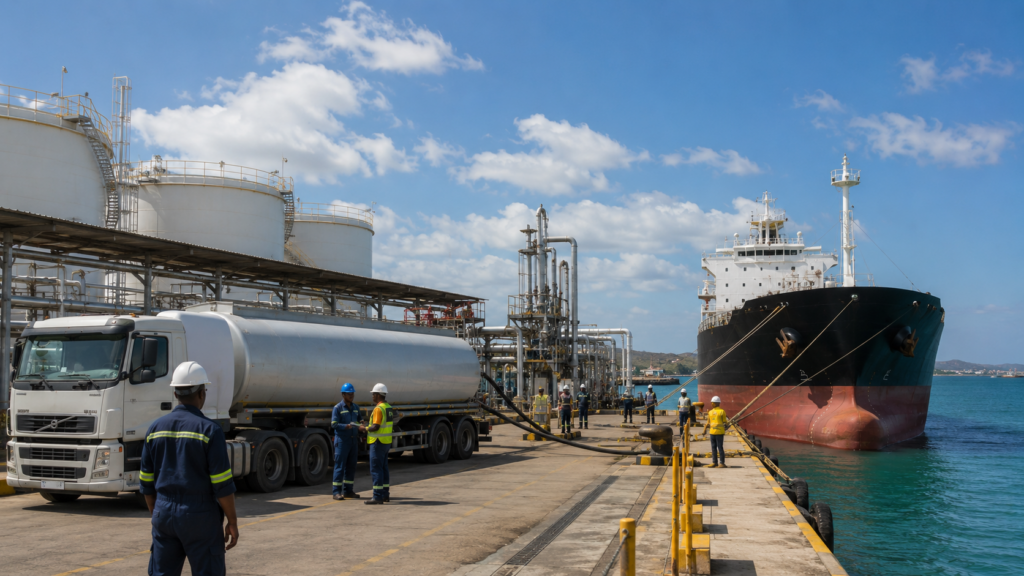
Rwanda’s first direct import of 40,000 tones of refined petroleum products represents more than a logistical achievement; it signals a strategic effort to strengthen national control over one of the country’s most critical economic lifelines. By shifting from intermediary-based procurement to direct government-coordinated fuel imports, Rwanda is seeking to improve supply reliability, enhance market stability, and reduce exposure to disruptions in regional and global energy markets. The initiative reflects a growing recognition that access to energy is not merely a commercial concern but a strategic pillar of national resilience, particularly for a landlocked economy whose development depends heavily on secure transport and trade corridors. The arrival of the shipment through Tanzania’s Port of Tanga therefore marks an important step in reinforcing Rwanda’s long-term energy security architecture.
The broader significance of the initiative lies in its emphasis on strategic autonomy rather than short-term market intervention. Reliable fuel supplies underpin virtually every sector of the economy, from agriculture and manufacturing to transport and public services. By taking greater responsibility for fuel procurement and investing in larger-scale import arrangements, Rwanda is positioning itself to better manage price volatility, strengthen supply planning and reduce vulnerability to external shocks. This approach reflects an evolving model of economic governance in which the state plays an active role in safeguarding critical supply chains while creating conditions for sustained private-sector activity and long-term economic stability.
Rwanda’s strategy also highlights a wider shift in how African states are approaching energy governance in an increasingly uncertain global environment. Rather than responding reactively to supply disruptions, governments are placing greater emphasis on resilience, diversification and strategic infrastructure as foundations for sustainable development. For Rwanda, direct fuel imports are therefore not simply about ensuring adequate petroleum supplies; they represent an investment in economic sovereignty and national preparedness. As global energy markets become more volatile, countries that strengthen control over essential supply systems will be better positioned to protect their economies, maintain public confidence and pursue long-term development objectives with greater certainty.
Photo: AI-GENERATED


