
Uganda’s Oil Strategy Opens a New Front in East Africa’s Energy Integration
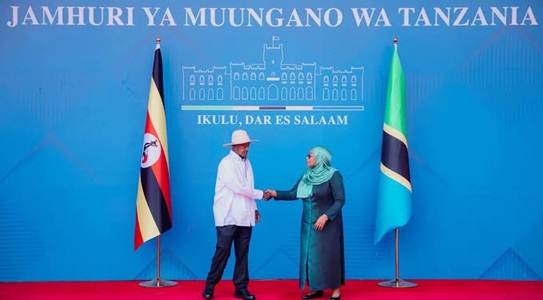
Uganda is positioning its emerging hydrocarbon sector for a wider role in East Africa’s energy landscape as regional infrastructure projects around Tanzania’s port of Tanga open avenues beyond raw crude extraction. As reported by Ecofin Agency, Uganda, Tanzania, and Vitol Bahrain have agreed to explore developing a major regional energy hub at Tanga. Spanning refining, petroleum storage, logistics, and trading, the proposed development could attract upwards of $20 billion in total investment. For Kampala, this initiative carries major strategic weight, as Tanga forms the coastal terminus of the East African Crude Oil Pipeline (EACOP).
This move unfolds against the backdrop of Kenya’s infrastructure push at Lamu, creating two competing energy corridors with ambitions to serve the broader East African interior. Tanga benefits from its established logistical connection to Uganda’s oil fields, while Lamu offers Kenya a strategic platform for regional refining and distribution. Meanwhile, Uganda’s concurrent development of its own 60,000-barrel-per-day refinery in Hoima underscores a firm national policy focus on downstream value addition rather than unrefined crude exports alone.
For Uganda, the core strategic potential lies in transforming oil wealth into a catalyst for domestic industrialisation and regional integration. Expanding into refining, logistics, and cross-border distribution creates opportunities to integrate local value chains into regional trade. However, long-term success depends on translating capital outlay into domestic technical capabilities, skilled employment, and ancillary industries. The Tanga initiative presents Kampala and its regional partners with an opportunity to convert resource wealth into lasting, integrated economic development across East Africa.


