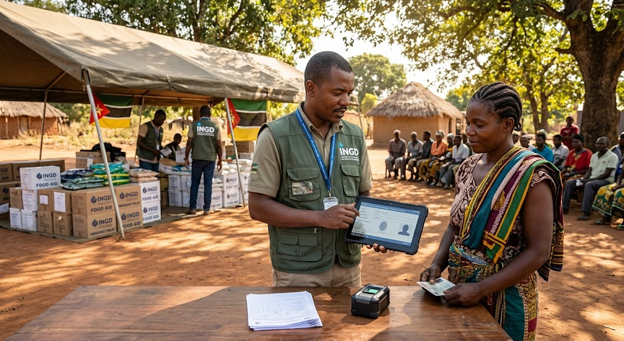
Mozambique to Launch Nationwide Digital Humanitarian Management System in October
Mozambique is set to officially deploy its centralised digital humanitarian aid management platform—the Beneficiary and Humanitarian Assistance Management System (SGBAH)—in October 2026. Following the successful completion of two high-level validation workshops in July, the National Institute for Disaster Risk Management and Reduction (INGD) confirmed that technical testing and operational refinements are fully finalized. According to original reporting by Biometric Update, mobile collection units are actively gathering beneficiary records across field sites as part of a pilot rollout leading up to the nationwide launch.
Developed through a initiative launched in 2023, the SGBAH framework is backed financially by the World Food Programme and built in partnership with Mozambique’s Centre for Development of Information Systems and Finance (CEDSIF) and the National Communications Regulatory Authority (INCM). The centralised platform enables real-time recipient registration, automated aid tracking, and detailed reporting designed to eliminate duplicate entries and prevent improper beneficiary registration. As noted by INGD official César Tembe, SGBAH will maintain full interoperability with the database of the National Institute for Social Action (INAS), establishing a unified administrative system for delivering support to vulnerable households.
This digital deployment is part of Mozambique’s broader national digital transformation roadmap, following the establishment of a dedicated oversight agency in March and recent legislative approvals to expand national identity document issuance. However, as digital and biometric identification tools become central to disaster relief across Africa, civil society groups and international researchers continue to emphasise data protection safeguards. In its comprehensive analysis on Responsible Biometrics Deployment in Humanitarian Contexts, non-profit research organisation The Engine Room highlighted the urgent necessity for strict privacy protocols, purpose-limitation controls, and governance frameworks to safeguard vulnerable populations when managing sensitive biometric registries.
Author: Randy Lawson.