
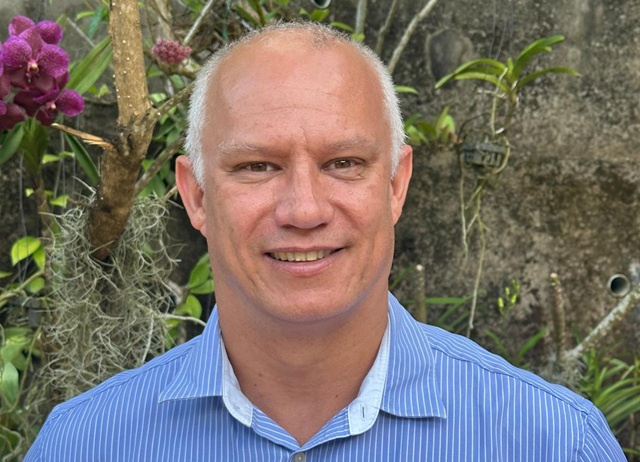
Seychelles at the UN; Jean-Paul Adam Pushes Stronger African Economic Ownership and Reform of Global Development Rules
Seychelles is using its experience as a small island African state to contribute to a broader push for stronger African representation, economic ownership and institutional capacity within the international system, according to senior Seychellois diplomat Jean-Paul Adam. In an interview published by the Seychelles News Agency on August 26, Adam, who serves as Director for Policy, Monitoring and Advocacy in the UN Office of the Special Adviser on Africa, said his work focuses on strengthening coordination between the United Nations and African Union while supporting African countries on financing for development, sustainable debt, taxation, digital cooperation and other strategic issues. Adam, a former Seychelles foreign affairs and finance minister, argued that Africa is entering a decisive period in which its voice in global institutions is becoming stronger, but structural disadvantages continue to limit the continent’s ability to benefit fully from the economic and financial resources generated within its own territories. He pointed to the African Union’s participation in the G20 and African leadership on international taxation as evidence of growing influence, while stressing that greater representation must ultimately translate into stronger capacity for African states to shape development outcomes. His current UN role places Seychelles directly within these discussions, particularly through efforts to coordinate the relationship between the UN and AU and ensure that African priorities remain central to global development policy.
A major theme of Adam’s intervention is the need for Africa to move beyond a development model centred primarily on external assistance and build institutions capable of mobilising and retaining a greater share of the continent’s own wealth. He identified critical minerals, fisheries, tourism, taxation and transfer pricing among the areas requiring stronger African oversight, arguing that fairer agreements and better access to economic information could enable governments to secure greater value from their resources. Adam also highlighted digital technologies and artificial intelligence as potential tools for improving information, strengthening negotiations and supporting sustainable development, while acknowledging the need for appropriate regulation. His argument builds on Seychelles’ own experience with innovative development financing. As Seychelles’ finance minister, Adam was involved in the country’s debt-for-climate adaptation initiative, which converted part of the country’s debt into financing for marine conservation and climate resilience. The Office of the President of Seychelles described the 2015 arrangement as a landmark debt buyback and debt-for-climate adaptation structure, while the UN’s Africa Renewal later highlighted debt swaps and blue bonds as potential instruments for unlocking finance for Africa’s Blue Economy, including marine conservation, economic development and climate adaptation. Adam’s experience therefore provides a practical Seychelles example behind his wider argument that African states require innovative financial mechanisms and stronger institutions to mobilise resources on their own terms.
For Seychelles, the significance of Adam’s intervention extends beyond its role as a small island state and reflects the country’s contribution to wider African debates over economic sovereignty, climate resilience and the future of multilateral cooperation. Adam argued that Africa is potentially moving towards a “post-aid scenario” as official development assistance declines and changes structurally, creating pressure for governments to develop stronger domestic resource mobilisation systems and obtain greater value from their economic assets. He also stressed that African countries need fairer global rules capable of preventing resources generated on the continent from being systematically transferred elsewhere, while stronger African institutions should be equipped to turn domestic wealth into predictable investment in development. This perspective is consistent with Adam’s earlier work at the United Nations Economic Commission for Africa, where he advocated scaling up innovative financing approaches such as debt-for-nature swaps and climate-linked financial instruments. Seychelles’ own government has similarly presented its debt-for-climate initiative as an example of how innovative financial arrangements can support environmental protection while strengthening economic resilience. Against this background, Adam’s latest remarks position Seychelles as a contributor to Africa’s broader effort to secure greater ownership of its resources, strengthen African institutions and reshape the terms under which the continent engages with the global financial and multilateral system.





