
China and Lesotho deepen human capital partnership as new cohort of Basotho scholars departs for advanced studies
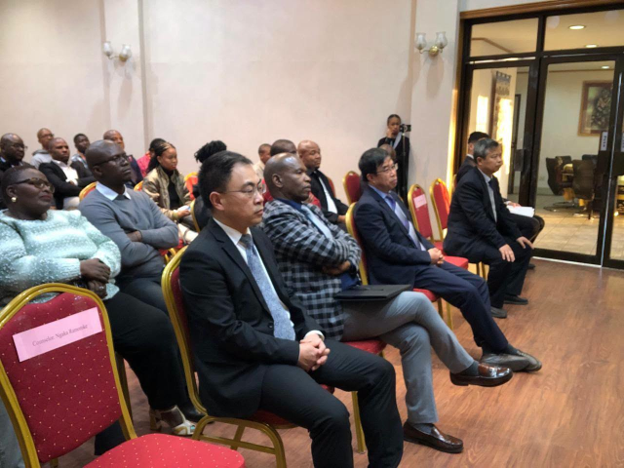
The Chinese Embassy in Maseru hosted a farewell reception for a new cohort of Basotho students departing to pursue higher education and vocational training across China. As detailed by the Government of Lesotho, the gathering brought together government officials, alumni, and scholars to highlight the growing role of educational exchanges in strengthening bilateral development. Chinese Ambassador Yang Xiaokun congratulated the scholarship recipients, noting that over 1,250 Basotho have participated in people-to-people exchange and technical training programmes over the past three years. The ambassador encouraged the students to focus on critical sectors such as agriculture, medicine, enterprise, and international trade to gain technical skills applicable to Lesotho’s long-term development.
Representing the Kingdom of Lesotho, Rats’iu Majara, Principal Secretary in the Ministry of Education and Training (MoET), expressed gratitude for the continued educational support, emphasizing that human capital development remains vital for national growth. Majara urged the departing scholars to serve as cultural ambassadors while gaining advanced expertise to support home institutions upon their return. Student representative Kananelo Makolana, who completed her bachelor’s and master’s degrees in international trade and economics in China and is returning to pursue a PhD, highlighted how the partnership provides Basotho youth with advanced knowledge and skills that can contribute to Lesotho’s development and strengthen its participation in international markets.
This educational initiative also reflects broader South-South cooperation through the Forum on China-Africa Cooperation (FOCAC), which has established a framework for China-Africa cooperation across areas including education, skills development, and human-capital development. Ambassador Yang reaffirmed China’s commitment to supporting African countries, including Lesotho, through FOCAC, while the programme’s emphasis on fields such as agriculture, medicine and enterprise connects educational exchange with national development priorities. By expanding access to specialised education and professional training, the cooperation is helping strengthen the pool of skilled Basotho who can contribute to Lesotho’s long-term development objectives.





