
Bolivia Steps Up Gas Exploration With Junín-9D Well in Santa Cruz
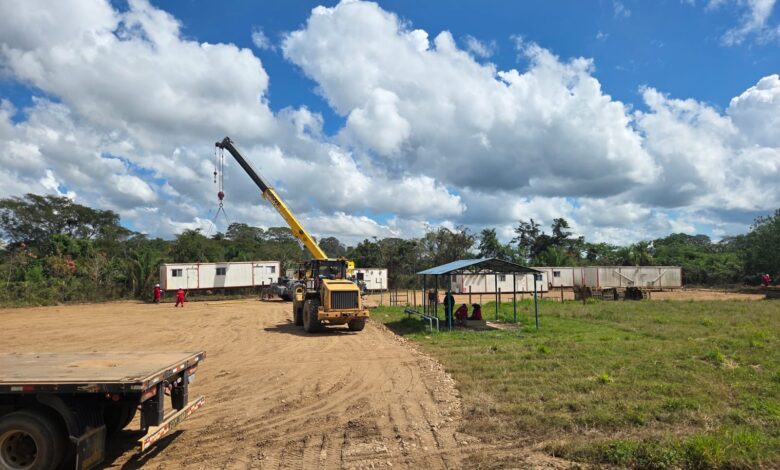
Bolivia is moving to revive its oil and gas exploration sector, with the Junín-9D well in Santa Cruz becoming one of the clearest signs of that effort. The development gained fresh attention at the end of August after President Rodrigo Paz launched the drilling project with an investment of approximately US$6.4 million, according to the Bolivian Ministry of Hydrocarbons. The well is being developed by YPFB Chaco in the Santa Rosa complex and is aimed at recovering remaining reserves from the Sara and Piray reservoirs. The project is particularly important as Bolivia continues to deal with declining hydrocarbon production and increasing pressure on its domestic energy supply, making new drilling essential if the country wants to rebuild its reserves and reduce its dependence on imported fuels.
Despite the broader push to revive oil and gas exploration, Junín-9D is primarily a natural-gas project rather than an oil discovery. YPFB Chaco says the well will target remaining gas reserves in the Sara and Piray reservoirs while gathering geological data on the potential of the Tariquía, Yecua and Ichoa formations, as outlined in its project announcement. The project has an estimated cumulative production potential of about 9.1 billion cubic feet of sales gas, with initial production expected to reach several million cubic feet per day if drilling and testing results are favorable. The developments at the end of August mark a shift from planning into active drilling and could provide the technical and commercial information needed to determine whether additional wells should be developed in the surrounding area.
The significance of Junín-9D goes beyond the individual well because Bolivia is attempting to establish a broader exploration cycle after years of declining production and insufficient investment. A recent GeoExpro analysis notes that Bolivia’s traditional exploration has concentrated heavily on the Andean fold-and-thrust belt, while newer exploration concepts are examining less-developed areas of the country’s petroleum system. The immediate objective is to find additional gas and liquids, but the longer-term opportunity is to discover resources capable of reversing Bolivia’s production decline. For now, Junín-9D is best characterized as a new drilling and exploration initiative focused mainly on gas, with potential implications for wider oil and gas exploration. Its results will be closely watched because a successful outcome could encourage further investment, additional wells and greater participation by international energy companies in Bolivia.





