
Burundi Business Leaders Appeal for Non-Tariff Barrier Removal Amid Trade Friction
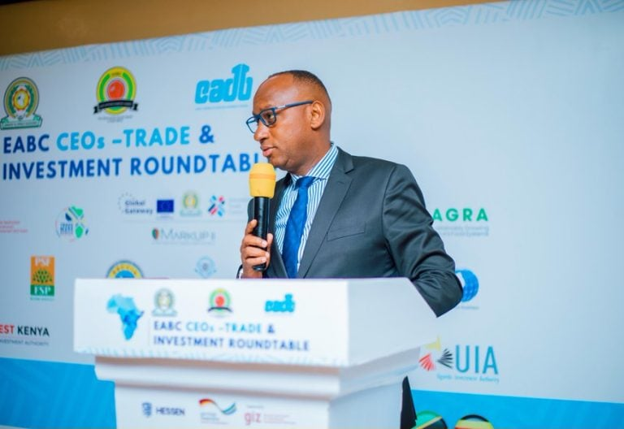
Burundi’s private sector has issued an urgent appeal to East African Community (EAC) member states to eliminate non-tariff barriers (NTBs), cut logistics costs, and overhaul regulatory environments to unlock cross-border trade. As reported by primary source People Daily, the appeal was delivered during the East African Business Council (EABC) CEO–Trade & Investment Roundtable hosted in Bujumbura alongside the Federal Burundi Chamber of Commerce and Industry (CFCIB). Opening the high-level meeting, Burundi’s Permanent Secretary in the Ministry of Foreign Affairs and Regional Integration, Severin Mbarubukeye, reaffirmed the government’s commitment to public-private dialogue, urging local businesses to treat the broader EAC as their domestic market while prioritizing digital transformation and high-quality production standards to boost regional competitiveness.
The Bujumbura consultations—convened as a precursor to the upcoming East Africa CEO & Investment Forum 2026 in Nairobi—highlighted how persistent regulatory mismatches, currency shortages, and logistical bottlenecks continue to restrict intra-regional commerce far below its potential. Speaking on behalf of regional business leaders, EABC Executive Director Ahmed Farah stressed that achieving Burundi’s Vision 2040 targets will require rapid economic diversification, reliable energy infrastructure, predictable customs procedures, and expanded access to trade credit. Broader regional reporting from the East African Business Council underscores that business executives across Partner States are pushing for full compliance with the Common External Tariff (CET), air transport liberalization, and the comprehensive implementation of the One Network Area to maximize benefits under the African Continental Free Trade Area (AfCFTA).
These private sector calls for seamless trade integration come against a backdrop of heightened policy tensions and economic protectionism across the East African bloc. Regional coverage from the Burundi Times notes that while the EAC Sectoral Council on Trade, Industry, Finance and Investment has considered introducing sanctions and compensation mechanisms for countries enforcing illegal trade barriers, unilateral national policies—such as recent directives targeting foreign small-scale traders in Kenya—continue to create friction for cross-border merchants. Recommendations from the Bujumbura roundtable will be presented to policymakers and investors at the Nairobi summit in mid-September to demand binding commitments toward a friction-free regional market.





