
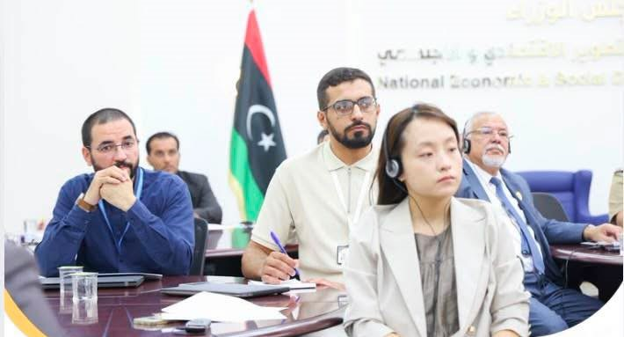
Benghazi Hosts Inaugural Conference on Agricultural Development and Food Security
Benghazi has hosted Libya’s inaugural Conference on the Development of the Agricultural Sector and the Strengthening of Food Security, convening policymakers, regional officials, and agricultural experts to address national supply chain vulnerabilities. Opened by Saied Asbag, President of the Agriculture Monitoring Committee of the Libyan House of Representatives, the conference marks a strategic effort in eastern Libya to revitalize domestic farming and reduce reliance on volatile foreign food imports. Discussions focused on modernizing irrigation infrastructure, expanding arable land initiatives across arid regions, and securing sustainable financing for local farmers facing climate risks. Primary coverage of the conference proceedings was published by the Panapress — Agricultural Development Conference in Benghazi.
The summit aligns with broader national efforts—such as those spearheaded by the National Economic and Social Development Council alongside the Islamic Organization for Food Security—to construct actionable emergency response frameworks for North African food systems. Delegates evaluated technical reports on healthy diet baskets, resource allocation, and advanced soil management techniques to buffer eastern and southern Libya against global food shocks. By bringing together local agricultural unions and international development partners, the Benghazi summit aims to transition theoretical food security assessments into concrete, region-wide farming investments. Updates on national food security frameworks and emergency planning are documented by the Libyan News Agency — Food Security Emergency Strategy Event.
Strengthening agricultural resilience in Benghazi reflects a growing regional imperative to diversify Libya’s economy beyond crude oil dependency. Authorities emphasized that stabilizing local food production requires sustained investments in rural infrastructure, public-private farming ventures, and technical knowledge exchange. As regional administrations push for economic reconstruction, agricultural development is positioned as a primary pillar for long-term stability and employment across eastern Libya. Additional context on North African agricultural initiatives is tracked through the FAO Near East and North Africa Regional Portal.





