
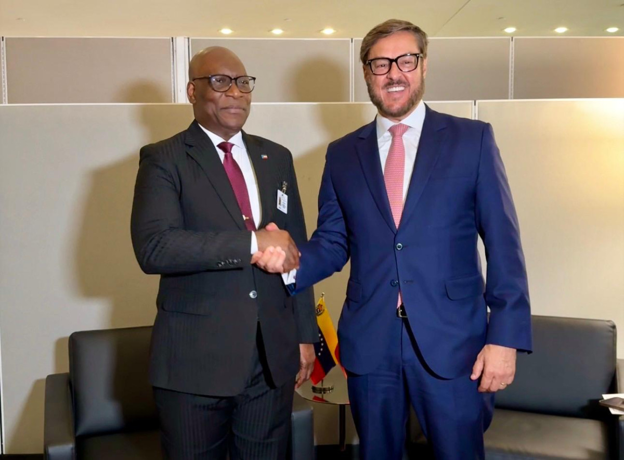
Equatorial Guinea and Venezuela Strengthen Diplomatic Ties: Focus Shifts to Direct Transatlantic Air Connectivity and Bilateral Trade
In a strategic bid to bypass traditional intercontinental transit routes, Equatorial Guinea and Venezuela have agreed to explore the establishment of a direct air link connecting Central Africa with South America. According to a primary report published by the Information and Press Office of Equatorial Guinea, the consensus was reached during a high-level diplomatic meeting on the margins of the 81st Session of the United Nations General Assembly in New York. The bilateral discussions were led by Equatorial Guinea’s Minister of State for Foreign Affairs, International Cooperation and Diaspora, Simeón Oyono Esono Angue, and Venezuelan Foreign Minister Félix Plasencia González. Both delegations underscored that existing transatlantic travel between the two nations is severely hindered by required layovers in Europe, making direct civil aviation routes essential to unlocking broader South-South economic cooperation.
Beyond state-level diplomacy, the bilateral dialogue laid concrete ground for private-sector integration, positioning direct transport as a catalyst for trade, investment, and tourism. As a primary outcome of the New York meeting, both foreign ministers agreed to organize an upcoming joint business forum in Malabo. The forum will serve as a commercial platform for Equatoguinean and Venezuelan entrepreneurs to map out market opportunities, showcase export potential, and establish sustainable trade flows across the Atlantic. During the talks, the Venezuelan delegation also expressed formal gratitude to Equatorial Guinea for its humanitarian assistance following the severe earthquake that struck Venezuela in June.
This diplomatic push directly aligns with Equatorial Guinea’s broader economic strategy to leverage its geographic position as a regional aviation and logistics hub. Complementary aviation analysis by Africanian highlights that Malabo is actively accelerating preparations to host the International Civil Aviation Organization’s ICAN 2026 event later this year, making direct transatlantic route negotiations with Latin American partners a timely priority. By expanding South-South commercial frameworks and executing previously signed bilateral agreements, Equatorial Guinea and Venezuela are establishing a direct framework for intercontinental trade, reducing reliance on third-party European intermediaries, and opening up new avenues for cross-border enterprise.





