
Nigeria at 66: From Economic Reform to the Unfinished Promise of Sovereignty
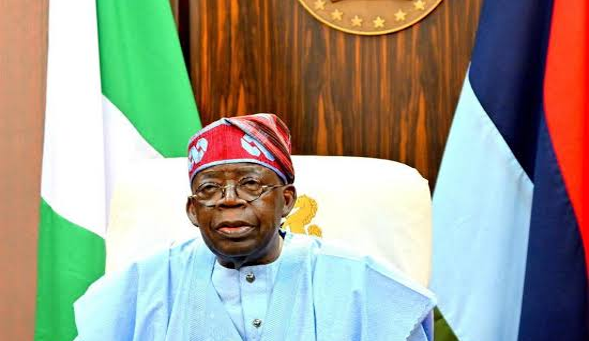
As Nigeria marks its 66th Independence Anniversary on October 1, 2026, President Bola Ahmed Tinubu has declared that the country is moving from a period of difficult economic reforms into what he describes as an era of shared prosperity. In his official Independence Day address published by the State House of Nigeria, Tinubu argued that his administration has “corrected the course” of the Nigerian economy after three years of reforms. He pointed to economic growth of more than four per cent, falling inflation, rebuilt foreign reserves, greater stability in the foreign-exchange market and record non-oil export revenue exceeding $6 billion in 2025. Channels Television similarly reported that the President defended the reforms despite the hardship associated with their implementation, arguing that they were intended to confront structural weaknesses rather than create them.
Tinubu’s Independence Day message, however, places the economic programme within a much broader conception of Nigerian sovereignty. He recalled that independence was not simply about acquiring a flag and a seat among nations, but about giving Nigerians the ability to shape their own destiny and build a country capable of providing dignity and opportunity. As Vanguard reported, the President called on Nigerians to increase domestic production, expand agriculture, build globally competitive businesses and create opportunities for others. This emphasis comes as Nigeria continues to grapple with the longstanding contradiction between its vast natural and human resources and the living conditions of large sections of its population. The question of sovereignty therefore extends beyond formal political independence: it also concerns the country’s capacity to produce, industrialise, generate reliable energy, create employment and retain greater value from its own resources.
At 66, Nigeria’s independence anniversary consequently presents both a celebration of national endurance and a continuing debate over what genuine economic independence should mean. Tinubu described the difficult phase of his economic programme as largely complete and said the government’s overriding purpose must now be shared and widespread prosperity. Yet the President’s own address acknowledges that Nigeria’s journey has included economic crises, insecurity, political upheaval and periods of profound disappointment. The next phase will therefore be measured not only through macroeconomic indicators but through whether ordinary Nigerians experience greater productive capacity, affordable food and transport, reliable electricity, decent employment and improved living standards. Nigeria’s 66th year of independence thus renews an unfinished historical question: how can Africa’s largest economy translate its enormous resources and political sovereignty into genuine economic self-determination and prosperity for its people?
PHOTO SOURCE: STATE HOUSE OF NIGERIA
Author: Randy Lawson.





