
Saudi–Mali Partnership Deepens; Humanitarian and Development Cooperation Expands Across the Sahel
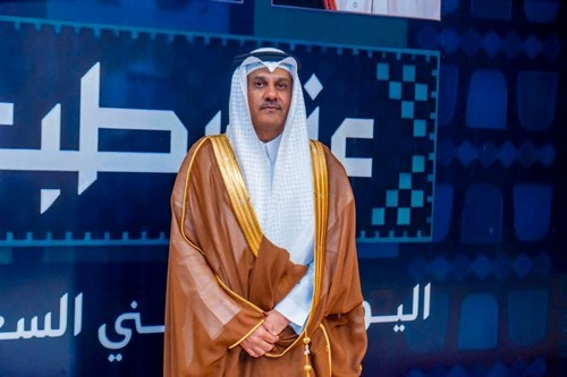
Mali and Saudi Arabia are deepening their bilateral relationship, with humanitarian assistance, food security and development cooperation increasingly forming important pillars of engagement between Bamako and Riyadh. Maliweb, in its October 3, 2026 report on the Saudi National Day reception in Bamako, reported that Saudi Ambassador Abdullah Saleh Saber described the relationship between the two countries as a “promising friendship and partnership” conducive to development and prosperity. The reception, held on September 26 at the Radisson Collection Hotel and attended by Malian government officials, diplomats and other representatives, provided an opportunity for the Saudi envoy to highlight the Kingdom’s expanding contribution to Mali’s humanitarian and development needs. According to the Maliweb report, the King Salman Humanitarian Aid and Relief Centre has implemented 34 humanitarian and relief projects in Mali with a combined value exceeding US$18.1 million. The projects cover areas including food security, education, essential services and assistance to vulnerable populations, while the ambassador indicated that Riyadh intends to further expand cooperation with Bamako across political, economic, investment, cultural, humanitarian and development sectors. The latest engagement therefore points to a relationship that is extending beyond conventional diplomatic ties towards practical cooperation around development priorities affecting the Malian population.
The humanitarian dimension of the Saudi–Malian relationship is already producing concrete programmes on the ground, particularly in the area of food security. Kibaru, in its report on the completion of the King Salman Centre’s food assistance programme, documented the distribution of 28,500 food baskets across several parts of Mali, including Bamako, Gao, Timbuktu, Mopti, Koulikoro, Kayes, Ségou, Bandiagara and Dioïla. The Kibaru report said the programme benefited approximately 171,000 people, including vulnerable families, internally displaced persons, refugees, widows and persons with disabilities. The scale of the intervention gives practical substance to the diplomatic statements made in Bamako, showing how bilateral cooperation is being translated into assistance reaching communities facing food insecurity and other social pressures. The partnership is also part of a wider pattern of engagement between the two countries. In February 2026, Africa Insight reported that Saudi Ambassador Abdullah Saleh Saber met Mali’s Foreign Minister Abdoulaye Diop in Bamako, with both sides reviewing priority areas for strengthening and diversifying bilateral cooperation and reaffirming their commitment to partnership based on solidarity, mutual respect and shared interests. The Africa Insight report provides further evidence that the current humanitarian cooperation forms part of a broader diplomatic effort to expand relations between Bamako and Riyadh.
The expanding partnership comes as Mali continues to diversify its international relations and pursue cooperation around national development, food security and sovereignty. Saudi Arabia’s engagement offers Bamako an additional channel for development assistance and humanitarian cooperation while Riyadh gains a stronger relationship with a strategically important Sahelian state. The significance of the partnership therefore extends beyond the financial value of individual humanitarian projects: it demonstrates how South-South and Global South relationships can increasingly encompass practical cooperation in areas directly affecting people’s welfare. The Saudi ambassador’s remarks also indicate an intention to move the relationship further into investment, economic cooperation, development and cultural exchange, creating the possibility of a broader framework between the two countries. For Mali, whose authorities have repeatedly emphasised the importance of diversified partnerships and national sovereignty, such cooperation can contribute to widening the country’s international economic and development options. For Saudi Arabia, deeper engagement with Mali strengthens its humanitarian and diplomatic presence in the Sahel. The relationship is consequently developing along multiple tracks, combining diplomatic ties with tangible programmes in food security, education and humanitarian assistance, while creating space for future cooperation in investment and development. The direction of the partnership was already evident in the Malian government’s report on the strengthening of bilateral cooperation with Saudi Arabia, which highlighted the two countries’ efforts to consolidate their relationship around mutually beneficial cooperation. Together, these developments suggest that the Saudi–Malian partnership is moving into a broader phase in which humanitarian support, economic interests and development cooperation increasingly reinforce one another.





