
All news, Top Stories & Interviews
African Union Committee Adopts Tripoli Document for UN Security Council Reform
COUNTRY: ALGERIA.
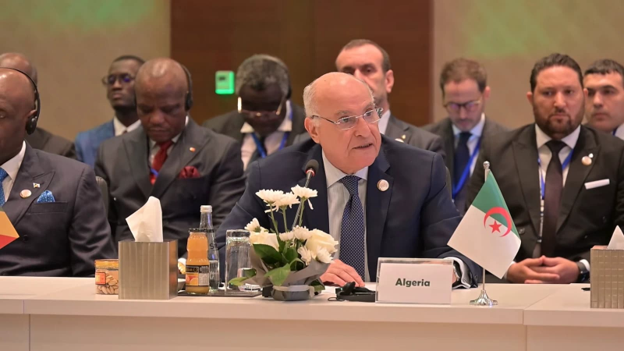
African nations have renewed calls for equitable representation in global decision-making following the adoption of the Tripoli Document. The agreement was signed at the 14th ministerial meeting of the African Union’s Committee of Ten in Tripoli, Libya. Speaking at the summit, Algeria’s Foreign Minister Ahmed Attaf argued that reforming the Security Council is a vital matter of international justice. As reported by primary coverage in El Chaab, Attaf emphasized that most African countries were under colonial rule when the UN was founded in 1945. According to Algérie Presse Service, this historical exclusion left the continent without a voice in shaping the original international order.
The Tripoli Document reaffirms Africa’s unified stance on UN reform. It builds directly on the Ezulwini Consensus and the Sirte Declaration. These landmark frameworks demand permanent seats and non-permanent seats for African nations on the Security Council. Furthermore, the African Union seeks full privileges for new permanent members, including veto rights. According to regional coverage by the Ministry of Foreign Affairs of Libya, the committee coordinates continental diplomatic efforts to engage international partners effectively. Beyond additional seats, African leaders seek a decisive voice on peace and security matters that directly impact their populations.
Adopting the Tripoli Document does not immediately alter the Security Council’s membership. Substantive restructuring requires broad international consensus and formal amendments to the United Nations Charter. Therefore, the core challenge for African governments is maintaining continental unity while building alliances with other UN member states. For the Pan-African movement, achieving permanent representation represents an essential step toward rectifying historical exclusion. The Tripoli summit has successfully revitalized these demands. Ultimately, its long-term impact will depend on converting diplomatic commitments into concrete institutional progress at the United Nations.
PHOTO SOURCE: ALGERIA PRESS SERVICE
Author: Randy Lawson.





