
Africa’s State Mining Companies Face a Bigger Test: Who Controls the Value of Its Minerals?
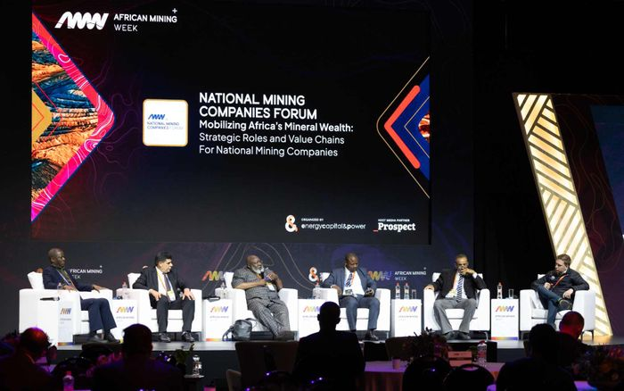
Africa has vast mineral resources, but owning them does not guarantee that African countries capture most of the wealth they generate. The real question is who controls the financing, technology, processing and sale of these resources. On 16 October 2026, African national mining companies launched a unified forum during African Mining Week in Cape Town, South Africa. According to Prospect Intel and the event organisers, the forum aims to help state-owned mining companies share knowledge and work together. Representatives from Egypt, Malawi, Libya and the Democratic Republic of the Congo also discussed their national priorities. The move raises an important question: can African countries use their own mining companies to gain greater control over their mineral wealth?
Consider Guinea’s plan to build five alumina refineries by 2030. The country wants to process more of its bauxite at home instead of exporting the raw mineral. African Mining Week reports that Guinea is pursuing this goal as part of its wider development plans. Local processing could create skilled jobs, support African businesses and keep more income within the country. However, refineries need reliable electricity, transport links, skilled workers and large investments. Without these, plans for local processing may struggle to succeed. The same challenge faces other African countries. State-owned mining companies could help governments secure better deals and build local industries. But they still need the money, skills and infrastructure to compete in a global market.
The new forum gives African mining companies a chance to tackle these problems together. They could share technical knowledge, plan joint projects and improve their bargaining power when dealing with large international firms. Yet unity alone will not deliver economic change. Governments must also manage public mining companies well, publish clear accounts and ensure that mineral revenues benefit their people. State ownership does not automatically mean better results. Poor management and weak public oversight can waste valuable resources. African countries must therefore judge the forum by what it delivers, not just by its launch. Are more minerals being processed on the continent? Are local businesses winning contracts? Are workers gaining skilled jobs, and are governments earning more from their resources? These are the measures that matter. Africa does not simply need to mine more. It needs to build industries that turn its mineral wealth into lasting economic development.
PHOTO SOURCE: AFRICAN MINING WEEK
Author: Randy Lawson.





