
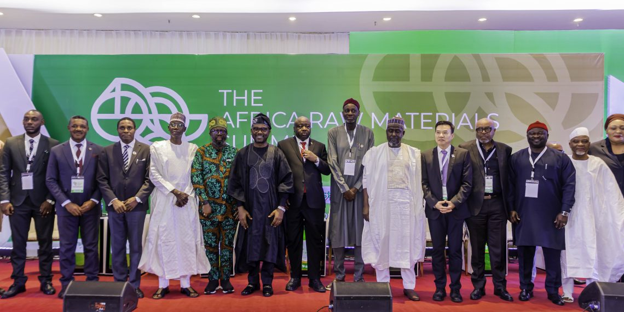
Africa Raw Materials Summit 2026 Pushes to End Raw Material Exports and Build African Industries
Africa is looking for ways to keep more of its resource wealth on the continent. At the Second Africa Raw Materials Summit in Abuja, Nigeria, on 19 and 20 October, industry stakeholders proposed a continental database of raw materials, producers, investors and processing opportunities. The database could help businesses find resources, attract investment and support local research. It could also help manufacturers build supply chains across African borders. However, the proposal remains at an early stage. Governments must establish the database, keep its information accurate and ensure that businesses can use it.
Africa has minerals, agricultural produce and other resources that could support stronger industries. Yet many countries still export raw or partly processed materials instead of turning them into finished goods at home. The summit’s theme, From African Feedstock to African Factory, addresses this challenge. Voice of Nigeria reported that participants called for more investment in local processing, research, innovation and manufacturing. Nigeria has also called for a 30 per cent value-addition target before raw materials leave the country. As, officials have urged countries to set targets that reflect their industrial capacity. But targets alone will not build factories. African businesses need reliable electricity, transport, finance, skilled workers and government support to compete and grow.
African countries must now turn these proposals into practical action. A shared database should help manufacturers find suppliers, researchers develop products and businesses build cross-border partnerships. Governments must also support local innovators and strengthen regional markets. The summit’s official programme highlights supply chains, cross-border logistics and common quality standards. These issues matter because factories need steady supplies, affordable production and access to customers. Africa must therefore judge the summit by what follows: new factories, stronger local businesses, skilled jobs and products made on the continent. African resources should not only supply industries elsewhere. They should also help African countries build their own productive economies and give more people a stake in the continent’s wealth.
Author: Randy Lawson.





