
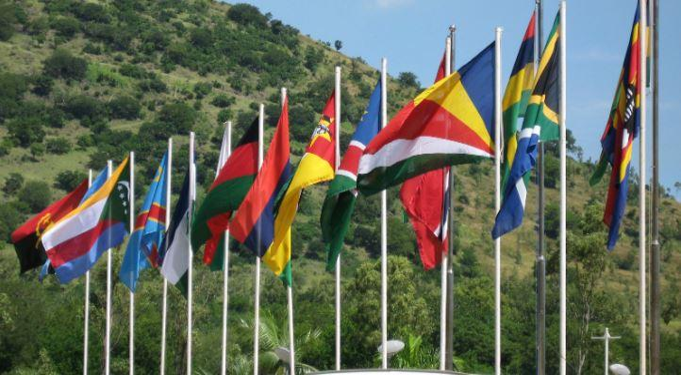
SADC Prepares for El Niño as Southern Africa Faces Climate Risks
The Southern African Development Community (SADC) is strengthening regional disaster preparedness ahead of the anticipated impacts of El Niño during the 2026/2027 rainfall season. According to a report by South Africa’s SAnews, the regional bloc opened a four-day disaster preparedness workshop in Johannesburg on 20 October, bringing together member states and humanitarian partners. The meeting focuses on improving early-warning systems, coordinating emergency plans and ensuring that governments can act before climate-related hazards become humanitarian crises. El Niño is a natural climate phenomenon that influences weather patterns and can increase the risk of drought and extreme heat in parts of Southern Africa. Its effects vary across countries, making regional monitoring and coordinated planning important for protecting communities, agriculture and water supplies.
A key objective of the workshop is to develop and validate SADC’s regional contingency plan for the 2026/2027 season while reviewing its multi-hazard anticipatory action framework. The official SADC announcement explains that discussions will cover drought triggers, sectoral preparedness, operational responsibilities and financing for early interventions. These measures are important because drought can reduce harvests, threaten livestock and place additional pressure on household food supplies. However, the region must also prepare for other hazards, including flooding and extreme heat.
The central question is whether regional preparedness plans will translate into practical support for people at risk. SADC’s efforts reflect a wider African priority to strengthen early-warning and early-action systems, including the African Multi-Hazard Early Warning and Early Action System and the United Nations’ Early Warnings for All initiative. Yet the success of these efforts will depend on more than meetings and policy frameworks. Governments and partners need to make funding available in advance, prepare essential supplies, communicate warnings in accessible ways and establish clear responsibilities for responding to emerging risks. Women, children, older people, persons with disabilities and communities in high-risk areas require particular attention in disaster planning. As the workshop concludes on 23 October, the key measure of progress will be whether participating countries can turn forecasts into timely, coordinated action that protects livelihoods and strengthens food and water security across Southern Africa.





