
Egypt Links Its Economic Future to African Integration and Development
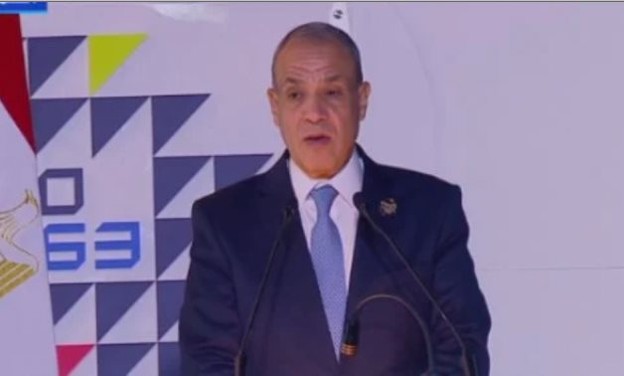
Egypt has reaffirmed its commitment to African cooperation, with Foreign Minister Badr Abdelatty saying the country’s economic future depends on stronger ties with the continent. Speaking on October 21, he stressed the need for closer relations among African countries. He also pointed to President Abdel Fattah El-Sisi’s visits to African nations as part of efforts to strengthen continental ties. According to Egypt Today’s report, Abdelatty also discussed regional security, national sovereignty and water security. These issues remain important to Egypt and its neighbours. As African countries seek greater control over their development, Egypt sees closer ties as a way to expand trade, attract investment and support growth. However, stronger diplomatic relations must lead to practical results, including jobs, local industries and better living standards.
Egypt’s position also reflects a wider push for economic diplomacy, infrastructure and regional trade. Earlier in October, the country hosted the Alamein-Africa Forum, where government officials, businesses and financial institutions discussed investment and development. Ahram Online reported on the forum’s plans, including work on health manufacturing, investment and regional infrastructure. Egypt’s State Information Service also highlighted the need to strengthen African economic integration. This includes connecting markets, building regional supply chains and increasing trade between African countries. These goals support the African Continental Free Trade Area (AfCFTA), which aims to make cross-border trade easier. Better roads, reliable energy and simpler trade procedures could help African businesses reach new markets. Yet forums and agreements alone will not deliver these benefits. Governments, development banks and businesses must fund projects and ensure that smaller enterprises can also take part.
Abdelatty also addressed water security and the conflict in Sudan. Both issues affect stability across northeastern Africa. He described water security as an existential concern for Egypt and called for international law to guide decisions on shared water resources. His comments reflect ongoing tensions over the Nile, particularly the Grand Ethiopian Renaissance Dam, and the need for continued dialogue among countries that depend on the river. On Sudan, Abdelatty opposed the country’s division and stressed the need to preserve its state institutions while seeking a political solution to the conflict. These concerns show that economic integration also depends on diplomacy, security and the fair management of shared resources. African countries must address disputes through dialogue, respect one another’s sovereignty and find common ground. Egypt’s commitment could help deepen continental partnerships, but its real value will depend on practical progress in trade, infrastructure, industrial development and regional stability.
PHOTO SOURCE: EGYPT TODAY
Author: Randy Lawson.





