
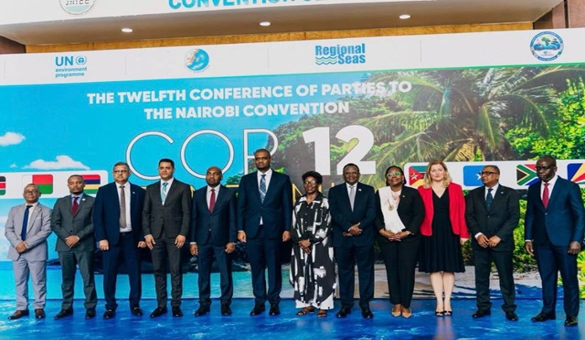
Western Indian Ocean Countries Adopt 15 Decisions to Protect Shared Marine Resources
Ten countries in the Western Indian Ocean have adopted 15 decisions to improve ocean protection. The measures target plastic pollution, marine habitat loss and poor ocean management. Countries agreed on the decisions at the 12th Conference of the Parties to the Nairobi Convention in Dar es Salaam, Tanzania, from October 6 to 9, 2026. Seychelles joined Comoros, Kenya, Madagascar, Mauritius, Mozambique, Somalia, South Africa and Tanzania at the meeting. According to the Seychelles News Agency, the conference marked 40 years of regional cooperation under the Nairobi Convention. The decisions include a regional strategy to tackle plastics and related chemicals. They also introduce a plan for responding to major marine pollution incidents. Other measures aim to protect and restore mangroves, seagrasses and coral reefs. These habitats support marine life, protect coastlines and help communities adapt to climate change.
Healthy oceans support fishing, tourism and other sources of income across the region. However, pollution and habitat destruction threaten both marine life and the people who depend on it. The participating countries have therefore called for more funding for conservation and better tracking of ocean resources. They also want investment in a sustainable blue economy that benefits local communities, women and young people. The countries further backed action under the Kunming-Montreal Global Biodiversity Framework and regional cooperation on the High Seas Treaty. These efforts recognise that ocean problems do not stop at national borders. Plastic waste, pollution and damage to marine habitats can affect several countries at once. Regional cooperation allows governments to share knowledge, coordinate policies and respond to common threats. The United Nations Environment Programme has highlighted the convention’s role in bringing countries together to protect the Western Indian Ocean.
The next challenge is to put these decisions into practice. Agreements alone will not reduce pollution or restore damaged marine habitats. Governments need reliable funding, effective monitoring and stronger enforcement. They must also involve coastal communities in decisions that affect their livelihoods. Without these steps, the 15 decisions risk having limited impact on the ground. Seychelles has highlighted the need to connect regional conservation efforts with national development. Other countries face the same challenge as they balance environmental protection with economic needs. After 40 years of cooperation, the Nairobi Convention offers a platform for countries to take joint action. The real test will be whether governments turn their commitments into lasting improvements for the ocean and the people who depend on it.





