
Rwanda and Russia Strengthen Nuclear Energy Cooperation as SMR Project Advances
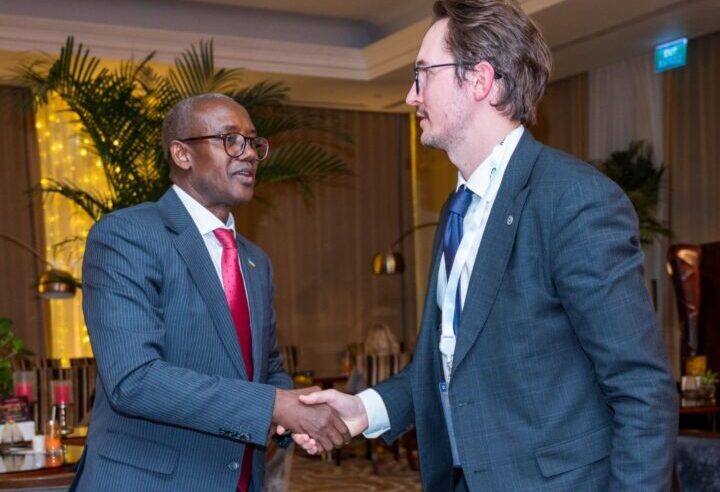
Rwanda has taken another major step towards nuclear energy development after signing a new cooperation agreement with Russia’s state-owned nuclear corporation, Rosatom, on 28 October 2026. Announced on 1 November, the agreement focuses on developing a Small Modular Reactor (SMR), establishing a Centre for Nuclear Science and Technology, and training Rwandan nuclear specialists. According to Kigali Daily News, the partnership aims to strengthen Rwanda’s energy capacity while creating employment opportunities for young people. Rwanda’s Ambassador to Russia, Major General Joseph Nzabamwita, said construction activities could begin soon, marking an important step in the country’s nuclear energy ambitions.
The agreement also expands cooperation beyond electricity generation. As KT Press reported on 1 November, the proposed nuclear science centre will support applications in healthcare, agriculture, mining and scientific research. Nuclear technology could improve cancer diagnosis and treatment, support food preservation and strengthen mineral processing. The partnership will also develop local expertise through specialist training, with 102 Rwandan students already studying at Russian universities through Rosatom programmes. These initiatives support Rwanda’s long-term development strategy and its ambition to introduce approximately 110 megawatts of nuclear-generated electricity between 2030 and 2033.
Meanwhile, Rwanda continues to build the technical and institutional foundations needed to advance its nuclear programme. The New Times reported on 31 October that the country is targeting more than 230 nuclear professionals by 2028 to support future projects. However, the latest memorandum focuses on assessing and developing nuclear infrastructure, rather than serving as a final commercial reactor construction contract. Rwanda must still advance important technical, regulatory and financing arrangements. Nevertheless, its growing cooperation with Russia represents a significant opportunity to strengthen electricity security, expand scientific research and support industrial development.





