
Tunisia Strengthens Agricultural Development as Nabeul Forecasts 86,600 Tonnes of Olives
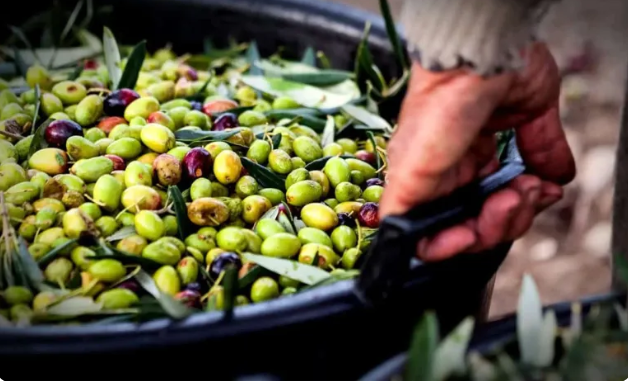
Tunisia is strengthening its agricultural sector as the 2026–2027 olive harvest begins in the Nabeul governorate, with production expected to reach approximately 86,600 tonnes of oil olives. According to Webmanagercenter’s report published on 2 November, the harvest represents an important contribution to Tunisia’s agricultural economy and rural livelihoods. Although production is expected to decline by 6% compared with the previous season, olive farming remains a major source of income for farmers and agricultural workers across the region.
The Nabeul governorate has approximately 39,535 hectares of olive groves, including 38,000 hectares dedicated to oil-producing olives. Farmers also expect to produce around 6,000 tonnes of table olives. As Tunis Afrique Presse (TAP) highlighted in its agricultural reporting, olive cultivation remains an important part of Tunisia’s farming economy, supporting agricultural employment, food production and local processing activities. The sector also provides opportunities to strengthen value addition through olive oil production and processing.
However, sustainable agricultural development remains essential to maintaining production levels. Farmers face challenges such as labour shortages, plant diseases and the management of waste from olive oil mills. According to La Presse de Tunisie, authorities are focusing on orchard monitoring, preventive agricultural practices and better waste management. Strengthening these measures could improve farm productivity, protect agricultural resources and support rural incomes. Tunisia’s olive sector therefore remains an important driver of agricultural development, food security and economic activity.





