
Lesotho Seeks Investment to Strengthen Energy, Agriculture and Manufacturing
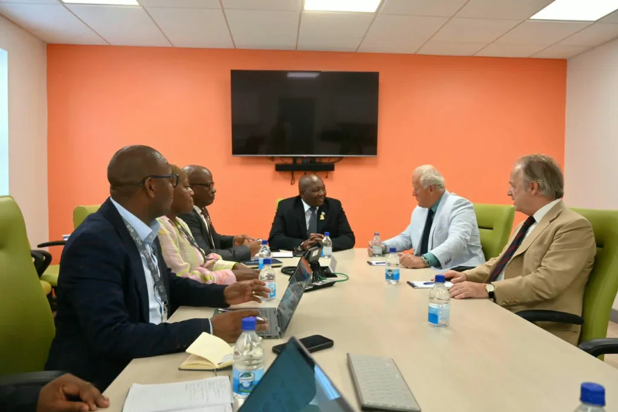
Lesotho is seeking new investment partnerships to strengthen its economy and expand production across key sectors. On 2 November 2026, Prime Minister Samuel Matekane met businessman Lord Marlan during the Commonwealth Summit in St. John’s, Antigua and Barbuda. Their discussions covered possible investments in four priority sectors: energy, agriculture, manufacturing and tourism. According to the Government of Lesotho, Marlan expressed interest in investing in the country. Matekane also reaffirmed his government’s commitment to creating a better investment climate. Lesotho NewsDesk provides further details about the four sectors. Investment in energy could improve electricity supply and support industrial growth. Agriculture could benefit from better production methods and stronger local supply chains. Manufacturing, meanwhile, could help Lesotho produce more goods locally, develop technical skills and create jobs. These priorities also feature in the Lesotho National Development Corporation’s investment agenda, which identifies agro-processing, manufacturing, renewable energy and tourism as areas with investment potential.
Lesotho’s focus on these sectors reflects a wider ambition to diversify its economy and strengthen local production. Manufacturing can help the country process raw materials, increase exports and develop supporting industries. Stronger agricultural supply chains can also create opportunities for farmers, food processors and transport businesses. However, these ambitions require reliable infrastructure, modern technology and access to finance. The African Development Bank’s 2025–2030 strategy for Lesotho outlines an indicative programme worth $209 million. Its priorities include infrastructure, industrialisation, energy, ICT and water. The Lesotho News Agency also highlights the strategy’s goals for industrial growth and wider energy access. Energy development remains particularly important. In July 2026, the government announced Phase II of the Ramarothole Solar Power Project. The project is expected to add 50 megawatts of renewable electricity generation. Reliable power can help factories expand and allow businesses to operate more efficiently. However, attracting foreign capital alone will not guarantee development. Lesotho must ensure that investment creates decent jobs, transfers technology, develops local skills and gives domestic businesses opportunities to grow.
Lesotho’s engagement with international investors raises a wider question about Africa’s development path: how can African countries attract investment while ensuring that their people benefit? The continent needs partnerships that go beyond bringing in foreign capital. Countries must build industries, strengthen local businesses and develop the skills needed to sustain production. Regional cooperation also matters. Through the African Continental Free Trade Area (AfCFTA), Lesotho can pursue opportunities to connect local producers with wider African markets and regional supply chains. This will require competitive industries, effective trade systems and better infrastructure. The meeting between Matekane and Marlan remains at the discussion stage. Neither side has announced a confirmed investment agreement. The real test will be whether this interest leads to productive projects, local employment and lasting economic benefits for Basotho people. Ultimately, Lesotho’s investment drive should not be measured only by the amount of foreign capital it attracts. Its success should also reflect the industries it builds, the jobs it creates and the productive capacity it develops.





