
Lake Chad Basin Countries Seek Stronger Trade Links and Economic Opportunities
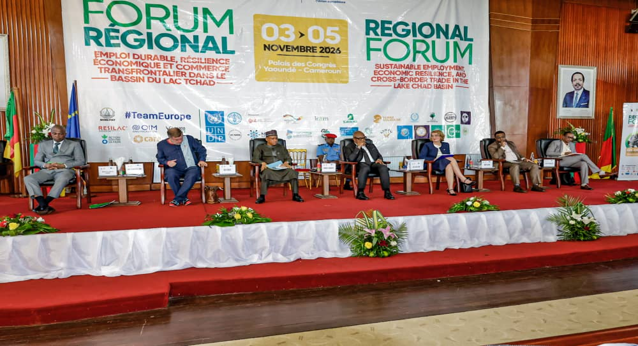
Countries in the Lake Chad Basin are exploring ways to strengthen cross-border trade, create jobs and improve economic resilience. A regional forum opened in Yaoundé, Cameroon, on 3 November 2026, bringing together representatives from Cameroon, Chad, Nigeria and Niger. The three-day meeting, running until 5 November, focuses on sustainable employment, economic recovery and trade cooperation. Organised by the Lake Chad Basin Commission (LCBC) and the RESILAC 2 consortium, with support from the European Union and the French Development Agency (AFD), the forum aims to address challenges that continue to limit economic activity across the region. These include insecurity, climate-related pressures, limited market access and barriers to trade. The Journal du Cameroun report highlights the forum’s focus on building economic resilience and improving cross-border trade. According to Business in Cameroon, officials and development partners are also considering ways to attract private investment and improve coordination between border authorities.
Agriculture, livestock farming, fishing and transport support thousands of livelihoods across the Lake Chad Basin. However, producers and traders face difficulties moving goods between countries. Non-tariff barriers, multiple border procedures, insecurity and poor coordination increase the cost of doing business. These challenges also limit opportunities for small businesses, particularly those led by women and young people. The forum is therefore examining ways to strengthen regional value chains, improve access to markets and expand vocational training. It also places attention on people affected by conflict, including displaced communities and returnees, whose economic participation is important to long-term recovery. Cameroon Tribune reports that participants are discussing practical measures to support small and medium-sized enterprises, improve access to employment and reduce obstacles to cross-border commerce. The discussions also reflect the importance of making regional trade work for local producers rather than allowing administrative barriers to restrict their access to neighbouring markets.
The forum also highlights the importance of stronger regional coordination as African countries work towards the objectives of the African Continental Free Trade Area (AfCFTA). Easier movement of goods, more connected markets and stronger local production can help businesses reach customers beyond their national borders. However, these opportunities require practical cooperation between governments, businesses, financial institutions and communities. According to Radio Ndarason International, the meeting is also creating space for young entrepreneurs, women-led businesses and local initiatives to share their experiences and explore opportunities for cooperation. Organisers expect the discussions to contribute to a regional roadmap identifying priority investments, responsibilities and mechanisms for follow-up. The real test will be whether participating countries turn these discussions into improved border procedures, better access to finance, stronger local businesses and sustainable employment. For communities across the Lake Chad Basin, regional integration must bring visible improvements to everyday economic life.





