
Africa Must Move Beyond Raw Material Exports to Build Its Industrial Capacity
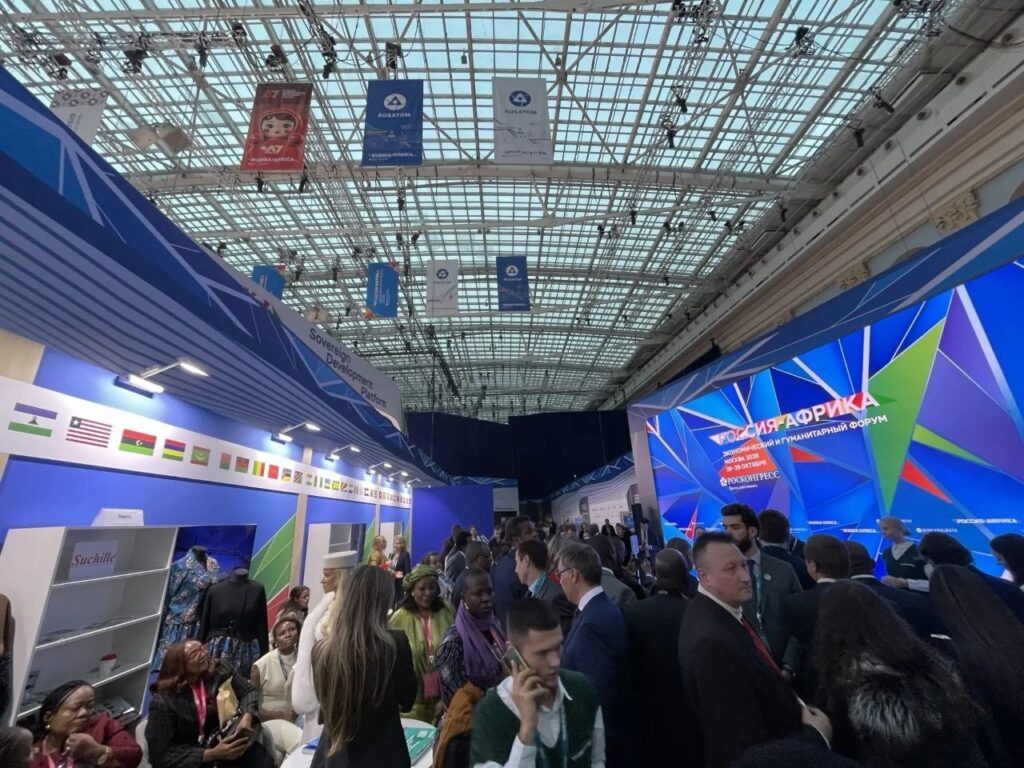
Africa’s economic transformation requires a shift from exporting raw materials to building industries. These must process resources, manufacture goods and create decent employment. Despite its enormous mineral and agricultural wealth, much of the continent remains locked into an unequal global economic arrangement. Africa supplies the raw materials. Higher-value production, industrial profits and technological capabilities stay elsewhere. Global South Media interviews at the Russia–Africa Forum highlighted this pattern. Julius Dediare Rone spoke about opportunities in the power, oil and gas sectors. He argued that investment must help African countries process their resources before exporting finished products.
Countries lose these jobs when they export raw materials without domestic value addition.
The Nigerian delegation also highlighted investment opportunities in manufacturing, agro-allied industries, solid minerals, technology, infrastructure and the creative economy. It stressed mobilising capital and expertise to develop sectors that can expand domestic production and generate employment. The delegation also emphasised Nigeria’s youthful population, entrepreneurial activity and growing creative and technology industries. This shows the value of investing in people and productive sectors rather than relying mainly on commodity exports. However, attracting investment cannot be an end in itself. Without local processing facilities, technology transfer, skills development and stronger industrial infrastructure, foreign capital can reproduce existing arrangements. African countries would keep supplying resources. Much of the value, technology and industrial employment would remain elsewhere. Investment must strengthen African productive capacity and support local enterprises. It must also expand the continent’s ability to decide what it produces and for whose benefit.
The question, therefore, is not simply how much investment Africa can attract. It is what that investment builds, who controls the resulting industries and who benefits from the wealth they generate. Rone called for partnerships with a broad range of international actors. These include Russia, China, Western countries, Japan and the Middle East. He argued that Africa needs multiple sources of investment to convert its mineral wealth into production. African governments, however, must negotiate arrangements that serve clear development priorities. This means strengthening local ownership, developing regional value chains and expanding manufacturing. African workers and enterprises should retain a greater share of the value they create. Africa’s resources, markets and youthful population must become the foundations of an integrated productive economy. Africa’s industrial future depends on building the capacity to produce, process and manufacture for itself and the wider world.
Author: Amanda Lucas





