
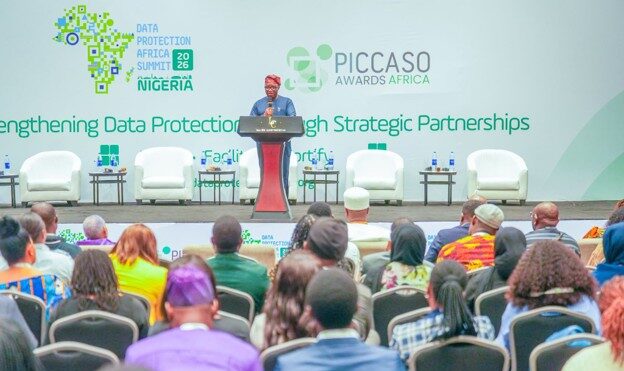
Africa Pushes for Stronger Control Over Personal Data as Digital Economy Expands
Africa’s digital economy is growing. More people now use mobile money, online services and digital platforms. However, this growth also raises concerns about who controls and protects personal information. At the eighth Data Protection Africa Summit (DPAS 2026), African stakeholders called for stronger cooperation to protect people’s data. The summit took place in Lagos, Nigeria, from 3 to 6 November under the theme Strengthening Data Protection Through Strategic Partnerships. Speaking at the opening on 5 November, Dr Vincent Olatunji, head of the Nigeria Data Protection Commission (NDPC), urged African regulators to work more closely with governments and businesses. He stressed the need to educate the public about data privacy. According to Voice of Nigeria’s report, Olatunji also said Nigeria’s public-private partnership model had helped create more than 27,000 jobs. He added that the number of certified Data Protection Officers had risen from fewer than 1,000 to over 10,000.
One major challenge is the movement of personal data across national borders. Digital platforms, banks and businesses often transfer information between countries. However, African countries do not always have the same data protection laws. This can make it harder to protect people’s information when it crosses borders. At the summit, Teki Akuetteh, Executive Director of the Africa Digital Rights Hub, called for closer cooperation among regulators. Prime Post reported that participants also discussed plans for a Centre of Excellence. The proposed centre would bring together African universities, regulators and professionals to find practical solutions. Nigeria has already taken a step through its Data Protection Act of 2023. The law sets rules for organisations that collect and use personal information. It also provides safeguards for the transfer of personal data across borders. Still, laws alone cannot protect people. Regulators must enforce them, while citizens need to understand their rights.
For Africa, data protection must form part of the wider struggle for digital sovereignty. People share personal information when they use mobile money, buy goods online, access healthcare or receive government services. Poor data management can expose this information to misuse. It can also weaken public trust in digital services. African countries must therefore turn summit discussions into practical action. They need to share knowledge, respond to data breaches and hold organisations accountable. The official summit programme identifies stronger national and regional laws, institutional capacity and cooperation as key goals. The real test will be whether African countries put these goals into practice. Stronger cooperation must lead to better protection for ordinary people. Africa’s digital future should serve its people, not expose their personal information to unchecked collection and misuse.





