
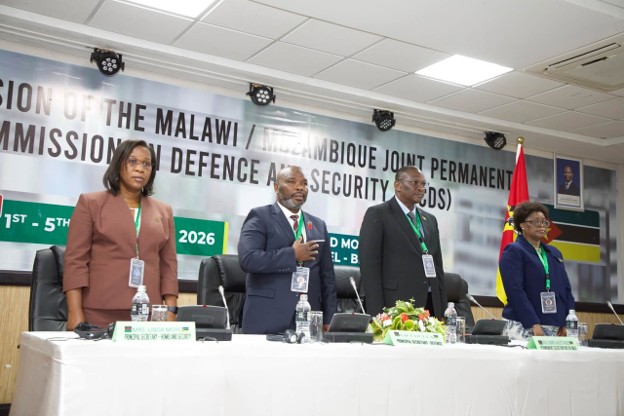
Malawi and Mozambique Broaden Security Cooperation to Protect Regional Trade and Stability
Malawi and Mozambique are working together to tackle crime along their shared border. On 2 November 2026, the two countries opened the 17th session of their Joint Permanent Commission on Defence and Security in Blantyre, Malawi. The four-day meeting brought together defence and security officials from both countries. They discussed ways to improve border security and fight human trafficking, drug smuggling and illegal trade. According to the Malawi Broadcasting Corporation (MBC), both sides also called for better intelligence-sharing and joint action against criminal groups. The meeting followed earlier talks in Maputo, Mozambique, in July 2025. At that meeting, both governments agreed to step up their efforts against cross-border crime. This latest session gave them a chance to review those plans and discuss further action.
At the end of the meeting, both countries agreed to widen their cooperation. Their plans now cover cybercrime, climate-related risks, economic security and the protection of investments and natural resources. Nation Online reported that the two countries also want stronger border patrols and better use of technology to share security information. Meanwhile, Malawi’s Defence Minister, Feston Kaupa, said the country recorded 41,000 transnational crime cases in 2025. This was lower than the 42,800 cases recorded in 2024. The cases included illegal trade, irregular migration, illegal mining and human trafficking. Kaupa linked the decline to joint efforts by security agencies. However, he called for stronger action to make the agreements work.
The two countries also recognise that crime across their borders can affect trade and daily life. Mozambique provides Malawi with access to important international shipping routes through the ports of Nacala and Beira. These routes support the movement of goods between Malawi and overseas markets. Stronger border security can therefore help protect traders, transport workers and local communities. In another report, Nyasa Times quoted Malawi’s Minister of Homeland Security, Peter Mukhito, calling for both countries to turn their agreements into action. The next session of the commission is expected to take place in Mozambique in 2027. Until then, both governments will need to maintain regular cooperation, share information and strengthen their border operations. Their ability to carry out these plans will shape the results of this partnership.





